Plumbing Inspection & Maintenance in Toronto: A Practical Guide for Property Owners
By Serhiy Marunchuk, Master Plumber · Licence T95-4969603 · Updated August 11, 2026
Regular plumbing inspections can help identify leaks, recurring drain problems, basement concerns, and other issues before they become disruptive and expensive plumbing emergencies.
Published August 11, 2026
Introduction
A plumbing system can continue working normally while a small problem develops out of sight. A slow drain, minor leak, unusual plumbing odour, or unexplained moisture may seem insignificant, but recurring warning signs can indicate an issue that requires professional attention. Regular plumbing inspection and maintenance can help Toronto homeowners, landlords, property managers, and businesses understand the condition of their plumbing system and address concerns before they become larger problems. This guide explains why plumbing inspections matter, what warning signs to watch for, and when professional plumbing maintenance may be appropriate.
Related services for this guide
If this article matches what you are dealing with, use one of these links to move into the service or broader category that makes the most sense.
Project photos related to this guide
These real project photos help show what this kind of work looks like in the field, not just on the page.
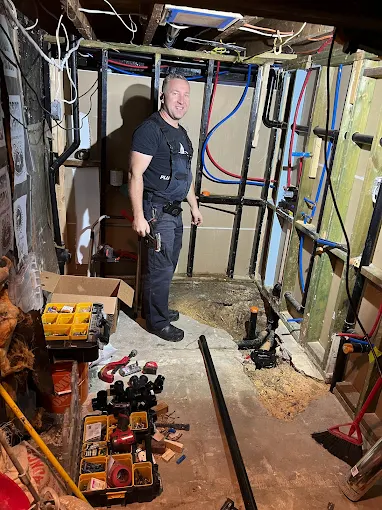
Interior renovation rough-in plumbing in progress
This renovation-stage photo gives rough-in, repiping, and interior plumbing pages a stronger proof image than generic stock-style service graphics.
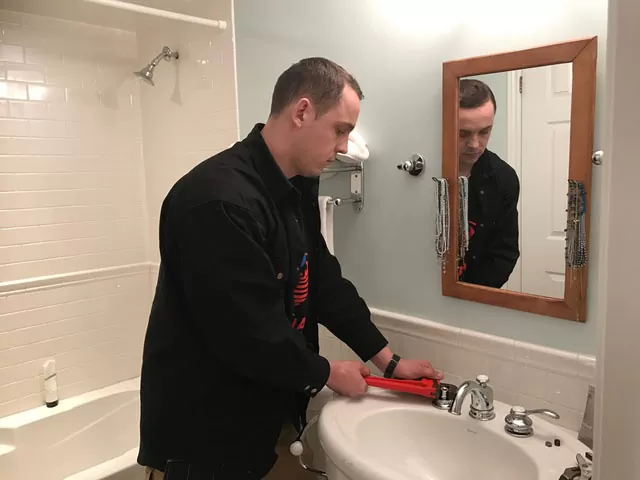
Technician handling a residential interior plumbing service call
This is a useful general indoor-service photo for interior plumbing pages where homeowners want to see a real technician on site instead of generic brand graphics.
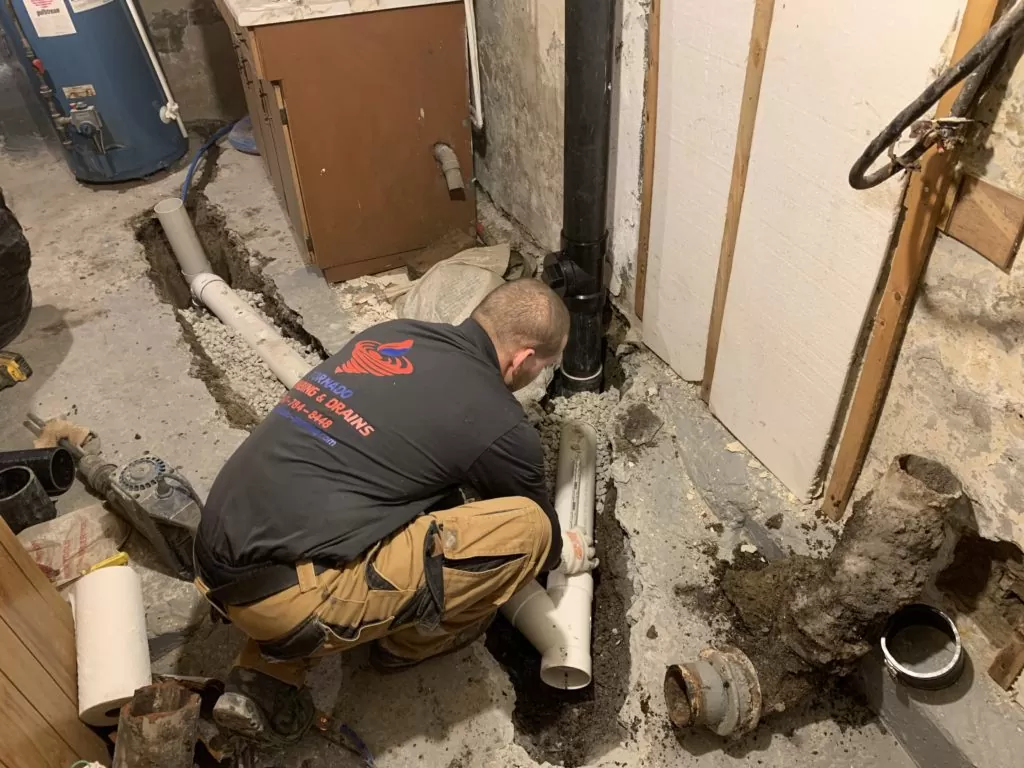
Basement drain tie-in in progress
This project photo shows the below-floor drain installation phase, where route changes, tie-ins, and access all affect the actual scope of the work.
Read next in this topic
These related guides help you compare cost, scope, and next steps without starting over.
Best local service areas for this topic
Use one of these city pages when you want the same problem explained through local housing, flood risk, access, and neighbourhood-specific plumbing context.
Your plumbing system plays an essential role in keeping your Toronto home or commercial property functioning properly. Water supply lines, fixtures, drains, sewer connections, and basement plumbing work together every day, but much of the system remains hidden behind walls, beneath floors, or in less accessible areas.
Because plumbing components are not always visible, developing problems can easily go unnoticed. Regular inspection and maintenance can help property owners recognize changes in plumbing performance and make informed decisions about repairs and ongoing maintenance.
Why Is Plumbing Inspection Important?
A plumbing inspection involves assessing relevant, accessible components of a property's plumbing system and looking for signs of leaks, drainage problems, deterioration, or other concerns. The inspection process can vary depending on the property's age, plumbing layout, usage, and history of plumbing problems.
Toronto has a wide range of residential and commercial properties, from older homes to newer construction and busy commercial buildings. Older plumbing systems may require closer attention because components have experienced years of use, while newer properties may benefit from inspection before renovations, additions, or construction work.
An inspection is particularly useful when a plumbing problem keeps returning. For example, a drain that repeatedly becomes blocked may require more than another temporary clearing. Understanding the pattern can help determine whether additional drain or sewer service is necessary.
What Are the Signs Your Plumbing Needs Maintenance?
Plumbing problems do not always begin with a major leak or complete fixture failure. Slow drainage is one common warning sign. If a sink, bathtub, or shower consistently drains more slowly than it used to, there may be a developing drainage concern.
Recurring clogs are another reason to pay attention. An isolated blockage can happen occasionally, but repeated blockages may indicate an underlying issue. Property owners should also take notice of unexplained moisture, water around plumbing fixtures, persistent plumbing odours, unusual sounds from pipes or drains, and noticeable changes in water flow.
These symptoms do not automatically identify the cause. However, they provide useful information that can help a plumbing professional determine whether an inspection, repair, drain service, or sewer service is appropriate.
How Does Plumbing Maintenance Help Toronto Homes?
Residential plumbing systems experience regular use through kitchens, bathrooms, laundry areas, and other fixtures. Over time, everyday use can expose weaknesses or contribute to recurring drainage and plumbing problems.
Homeowners should pay attention to changes in how their plumbing performs instead of waiting until a fixture stops working completely. A history of leaks, recurring drain problems, sewer concerns, or previous plumbing repairs can also provide useful information when determining whether professional maintenance is needed.
Basements deserve particular attention because plumbing and drainage components may be located in these areas. Dampness, unusual odours, visible water, or recurring drainage problems should be investigated rather than simply cleaned up and forgotten.
Should Plumbing Be Inspected Before Renovations?
Renovations are another situation where Plumbing Inspection & Maintenance in Toronto can be useful. Kitchen, bathroom, and basement renovations can involve existing water supply and drainage systems. Understanding the condition of those systems before construction begins can help property owners plan the work more effectively.
New construction also requires careful plumbing planning. Tornado Plumbing & Drains provides new construction plumbing services in Toronto along with residential and commercial plumbing solutions. Considering plumbing requirements early in a project can help ensure the system is planned according to the property's needs.
Why Are Drain and Sewer Inspections Important?
Drain and sewer systems are responsible for carrying wastewater away from a property. When drainage problems become frequent, repeatedly treating the visible symptom may not resolve the underlying issue.
A professional drain or sewer assessment can help property owners understand why a problem keeps occurring and determine what type of service may be appropriate. This becomes especially important when multiple drainage problems develop or when a previously addressed issue returns.
Good plumbing maintenance involves paying attention to these patterns. A recurring problem can provide useful information about the condition of the plumbing system and should not simply be treated as an inconvenience.
When Should You Arrange a Plumbing Inspection?
There is no single inspection schedule that applies to every Toronto property. The appropriate frequency depends on the age and condition of the plumbing system, the type of property, its level of usage, and its history of plumbing problems.
An inspection may be worth considering when a property has recurring drainage issues, visible leaks, basement plumbing concerns, unexplained moisture, unusual plumbing odours, or changes in water flow. It can also be useful before major renovations or construction projects.
The purpose of an inspection is not to recommend unnecessary work. A professional assessment should help property owners understand what is happening and decide what action, if any, is appropriate.
Choosing a Plumbing Contractor in Toronto
When selecting a plumbing contractor, property owners should consider whether the company has experience with the type of plumbing service their property requires. Residential homes, commercial buildings, older properties, basement plumbing, and new construction projects can all involve different requirements.
Tornado Plumbing & Drains provides residential and commercial plumbing services in Toronto, including plumbing repairs, drain services, sewer services, basement plumbing solutions, and new construction plumbing.
For Toronto property owners, keeping track of plumbing performance and addressing recurring warning signs can make maintenance decisions easier. Whether the concern involves a slow drain, basement plumbing, a recurring leak, or a larger plumbing project, professional assessment can help determine the appropriate next step.
Frequently Asked Questions
How often should plumbing be inspected in Toronto?
There is no single inspection schedule for every property. Inspection needs depend on the property's age, plumbing condition, usage, and history of leaks, drainage problems, or repairs.
What are the common signs that plumbing needs maintenance?
Slow drains, recurring clogs, visible leaks, unexplained moisture, unusual plumbing odours, changes in water flow, and recurring basement plumbing problems can indicate that professional assessment may be appropriate.
Are recurring drain clogs a sign of a larger plumbing problem?
They can be. When the same drain repeatedly becomes blocked or drainage problems affect multiple fixtures, professional assessment can help determine whether there is an underlying drain or sewer issue.
Should plumbing be inspected before a renovation?
A plumbing inspection can be useful before kitchen, bathroom, basement, or other renovations involving plumbing. Understanding existing conditions can help with project planning.
Does basement plumbing require regular maintenance?
Basement plumbing deserves attention because drainage, sewer, and other plumbing components may be located in these areas. Dampness, odours, visible water, or recurring drainage problems should be investigated.
When should I call a professional plumbing contractor in Toronto?
Professional service may be appropriate when a plumbing issue repeatedly returns, the cause is unclear, or the problem involves leaks, drains, sewer systems, basement plumbing, or other components requiring specialized assessment.
Explore more