Sump Pump Replacement in Toronto: When to Replace Your Pump and What to Expect
By Serhiy Marunchuk, Master Plumber · Licence T95-4969603 · Updated October 28, 2026
Know when your sump pump is reaching the end of its service life, what replacement involves, and how to reduce the risk of basement flooding.
Published October 28, 2026

Introduction
A sump pump is one of the most important pieces of basement flood protection in many Toronto homes. It removes groundwater that collects around the foundation and helps keep the basement dry, particularly during heavy rainfall, snowmelt, and periods of high groundwater.
The problem is that sump pumps are often ignored until they stop working. A pump may continue running while becoming less reliable, or it may fail when the home needs it most.
If your sump pump is several years old, running continuously, making unusual noises, or struggling to keep up with incoming water, replacement may be more practical than waiting for a complete failure.
Related services for this guide
If this article matches what you are dealing with, use one of these links to move into the service or broader category that makes the most sense.
Project photos related to this guide
These real project photos help show what this kind of work looks like in the field, not just on the page.
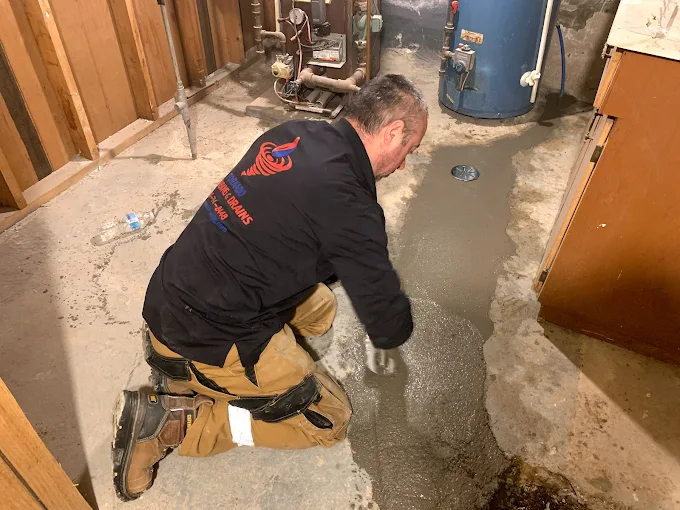
Basement floor patched back after flood-prevention plumbing work
Finished concrete patch after below-floor flood-prevention work, showing the restored surface homeowners see after the plumbing is installed.
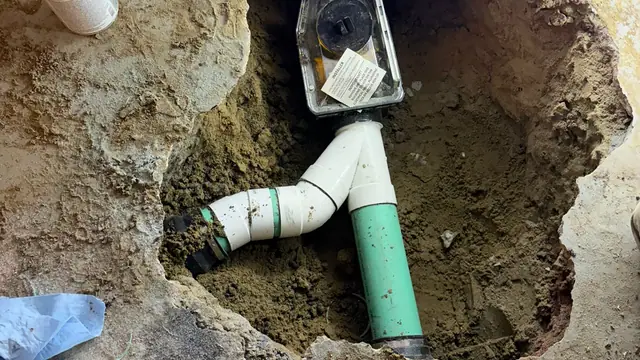
Mainline backwater valve set below the basement floor
Backwater valve installation, August 2026. The building drain was cut below the slab, the mainline valve set with its clear inspection lid facing up, and a cleanout branch added so the line can be serviced without disturbing the valve.
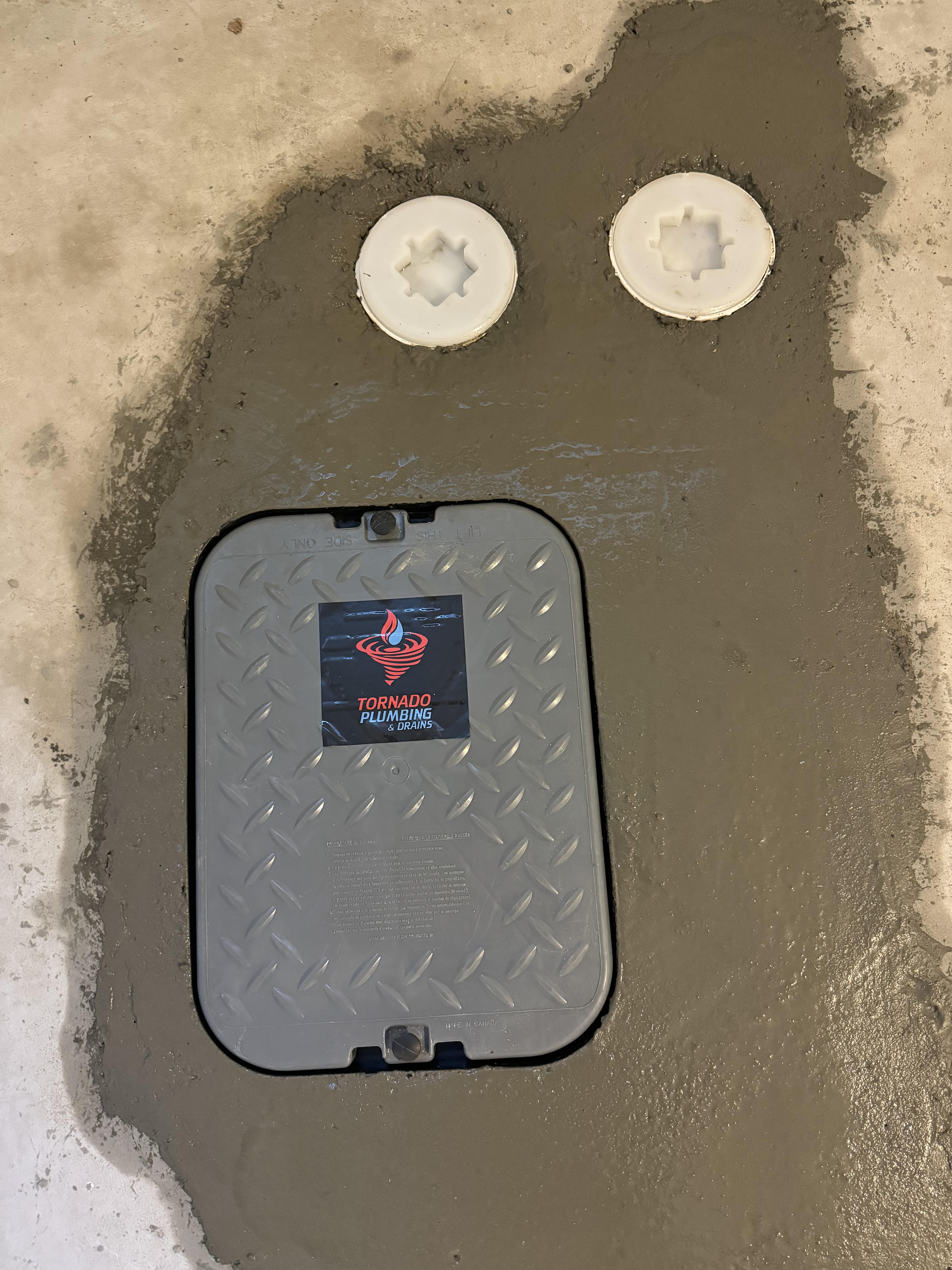
Backwater-valve access finished after concrete patch
This result photo shows the finished access point after basement flood-protection plumbing was installed and the floor was restored.
Customer stories related to this topic
These customer stories pair real review quotes with the service pages most closely related to this guide.
Michael Slapsys
May 2024“Fast, competent, reliable, clean and reasonably priced. Can’t say enough good things about our experience with Serhiy and his team. We had our entire waste water lines, from stack to city hook-up replaced, and some plumbing redone (basement toilet was given a much needed vent and backwater valve was installed). They spent three nine hour days (non-stop) and got the job done with minimal disruption (start at 7:30 am end at 4:30 pm each and every day). Serhiy took care of permits and coordinated inspection of waste water valve by Toronto inspectors, and the City rebate cheque for waste water valve came in a week (City of TO says processing may take ten weeks). I completed the online application in ten minutes. Highly recommend Tornado Plumbing. I’ve dealt with at least two other plumbing and drain contractors (we have several properties to manage (big family)) they’re the only ones we’ll call in the future when and if the need arises. I wish them good health and much success!”
Most relevant to Backwater Valve Installation in Toronto & the GTA.
Google place photo: Tornado Plumbing & DrainsMR Verxcy
April 2019“We were happy with Tornado plumbing from start and finish. Sergey came on the time to give us a quotation,he found the cracks in our foundation wall also our sump pump didn't work also. We are 100% satisfied with the crew ,they keep job site clean even weather wasn't great, the power flash the driveway and my basement is dry we are so happy!!! Highly recommend”
Most relevant to Sump Pump Installation in Toronto & the GTA.
Google place photo: Tornado Plumbing & DrainsClaudia Lang
May 2019“Serhij and his team did a great job on waterproofing our basement and placing a french drain, as well as hooking up a new sump pump. They dug down to the bottom of the house foundation, drained a pond that we wanted to get rid of and left the place completely tidy. All for a very fair and reasonable price. Highly recommended.”
Most relevant to Sump Pump Installation in Toronto & the GTA.
Google place photo: Tornado Plumbing & DrainsRead next in this topic
These related guides help you compare cost, scope, and next steps without starting over.
Best local service areas for this topic
Use one of these city pages when you want the same problem explained through local housing, flood risk, access, and neighbourhood-specific plumbing context.
Why Sump Pumps Matter in Toronto Homes
Toronto properties can experience significant changes in groundwater levels throughout the year. Spring snowmelt, prolonged rainfall, summer storms, and saturated soil can all increase the amount of water moving around a home's foundation.
A functioning sump pump helps collect and discharge that water before it reaches the basement floor.
However, the pump is only one part of the system. The sump pit, discharge line, check valve, electrical supply, and backup protection all affect how reliably the system performs.
A replacement should therefore be treated as a complete system assessment rather than simply swapping one pump for another.
How Do You Know Your Sump Pump Needs Replacement?
Some sump pumps provide obvious warning signs before they fail, while others stop unexpectedly. Homeowners should pay attention to changes in performance rather than waiting for the pump to become completely unusable.
The Pump Runs More Frequently
If the pump is activating much more often than it normally does, there may be an increase in groundwater entering the pit, a problem with the float switch, or an issue with the pump's ability to remove water efficiently.
During heavy rain, frequent operation can be normal. The concern is when the behaviour continues under ordinary conditions.
The Pump Makes Unusual Sounds
Grinding, rattling, humming, or loud vibration can indicate worn components, debris, an improperly positioned pump, or motor problems.
Noise alone does not always mean replacement is necessary, but a noticeable change in sound is worth investigating.
The Pump Runs but Does Not Remove Water Properly
A motor may turn on while the pump moves very little water. This can happen because of a blocked intake, damaged impeller, discharge problems, or a failing pump.
Continuing to operate a pump that cannot keep up with incoming water increases the risk of basement flooding.
The Pump Is Several Years Old
Sump pump lifespan varies depending on pump quality, operating frequency, groundwater conditions, and maintenance. A pump that operates frequently may experience considerably more wear than one used only occasionally.
If an older pump is already showing performance issues, proactive replacement can be more sensible than waiting for an emergency.
The Basement Has Experienced Water Problems
If your basement has flooded because of sump pump failure, replacing the pump should also involve identifying why the original system failed.
The replacement may need a properly sized pump, improved discharge routing, a new check valve, a better-fitted sump pit, or a backup power solution.
What Happens During Sump Pump Replacement?
A professional sump pump replacement generally starts with an assessment of the existing system.
The technician will typically examine the sump pit, pump capacity, float mechanism, discharge pipe, check valve, electrical connection, and the amount of water entering the pit.
The old pump can then be removed and the replacement installed according to the requirements of the property.
Proper sizing matters. Installing a pump that is too small may leave the system unable to keep up during periods of heavy water inflow. Installing an unnecessarily large pump is not automatically better either, particularly if the discharge system is not designed for it.
The discharge line also deserves attention. A good pump cannot protect the basement effectively if the discharged water is restricted, incorrectly routed, or allowed to return toward the foundation.
How Much Does Sump Pump Replacement Cost in Toronto?
The cost of sump pump replacement in Toronto varies considerably from one property to another.
Factors can include:
Pump type and capacity
Sump pit condition and accessibility
Existing discharge piping
Check valve replacement
Electrical requirements
Labour and installation complexity
Backup pump or battery system
Necessary modifications to the drainage system
A straightforward replacement can be relatively simple, while an older or poorly configured system may require additional work.
For this reason, a reliable estimate should be based on an inspection of the existing sump system rather than a single advertised price.
Should You Install a Backup Sump Pump?
For homeowners who depend heavily on a sump pump for basement flood protection, a backup system can provide an additional layer of protection.
A battery-powered backup sump pump can continue operating when the primary pump fails or during certain power outages. Some systems can also provide additional pumping capacity when groundwater levels rise quickly.
This is particularly worth considering for finished basements, homes with previous flooding problems, or properties where the sump pump runs frequently during storms.
Homeowners should also understand that a battery backup has its own maintenance requirements. The battery needs periodic testing and eventual replacement, and the backup pump should be tested rather than simply installed and forgotten.
Sump Pump Replacement vs. Repair
Not every sump pump problem requires replacement.
A blocked intake, faulty float switch, damaged check valve, or discharge obstruction may be repairable. In other situations, however, the motor or internal components may be sufficiently worn that replacing the pump provides a more dependable long-term solution.
The decision should consider the pump's age, condition, repair cost, reliability, and the consequences of another failure.
If the pump is old and already experiencing multiple problems, spending money on repeated repairs may not make practical sense.
How to Reduce the Risk of Basement Flooding
Replacing the sump pump is only one part of basement water protection.
Homeowners should periodically check that the pump activates correctly, the float can move freely, and the discharge line is not obstructed. The sump pit should also remain accessible for inspection.
It is equally important to look at the home's overall drainage system.
If you are concerned about water entering through foundation walls or floors, Basement Waterproofing in Toronto may need to be considered alongside sump pump improvements.
For homes with recurring water problems, professional Water Leak Detection & Repair can help determine whether the source is groundwater, plumbing leakage, drainage problems, or another issue.
When Should You Replace a Sump Pump?
The best time to replace a sump pump is before an emergency.
If your pump is aging and showing warning signs, replacement during dry weather gives you time to assess the system properly and address related problems. Waiting until a major storm can leave you dealing with limited options while water is already entering the basement.
A professional assessment can determine whether the existing pump can continue operating safely or whether replacement is justified.
Final Thoughts
Sump pump replacement in Toronto is not simply about installing a new motor in an existing pit. The pump, pit, discharge system, check valve, power supply, and backup protection all contribute to how well the system protects the basement.
If your current pump is noisy, running excessively, struggling to remove water, or showing signs of age, it is worth having the system inspected before the next major rainfall.
For homeowners who rely on their sump pump as part of their basement flood protection, proactive replacement can provide greater reliability when the system is needed most.
FAQ
What is the average lifespan of a sump pump?
A sump pump can often operate for several years, but its lifespan depends on how frequently it runs, the quality of the pump, groundwater conditions, and maintenance. A pump that operates frequently may wear out sooner than one used only occasionally.
How much does sump pump replacement cost in Toronto?
The cost varies depending on the pump, installation conditions, sump pit, discharge piping, electrical requirements, and whether additional backup equipment is installed. An inspection is the best way to determine the actual replacement requirements.
Can I replace a sump pump myself?
Some homeowners may be able to replace a straightforward pump, but professional installation can help identify problems with sizing, discharge piping, check valves, electrical connections, and the sump pit. These details matter when the system is responsible for basement flood protection.
How do I know if my sump pump is failing?
Common warning signs include unusual noises, frequent cycling, poor water removal, vibration, failure to start, or a pump that runs continuously. An older pump showing several of these symptoms should be inspected.
Should I replace my sump pump before it fails?
If the pump is aging and showing signs of deterioration, proactive replacement can reduce the risk of an unexpected failure during heavy rainfall. It also gives you an opportunity to improve the overall sump system rather than dealing with an emergency.
Is a battery backup sump pump worth it in Toronto?
A backup sump pump can provide additional protection if the primary pump fails or additional pumping capacity is needed. A battery backup can also help during certain power outages, although the battery itself requires testing and periodic replacement.
What size sump pump do I need?
The appropriate pump depends on factors such as the amount of water entering the pit, the height and distance the water must be discharged, pipe size, and the property's drainage conditions. Pump size should be determined based on the actual system rather than choosing the largest available pump.
Can a new sump pump prevent basement flooding completely?
No. A sump pump can significantly reduce the risk associated with groundwater entering through the drainage system, but it cannot eliminate every possible source of basement water. Foundation leaks, plumbing failures, sewer backups, blocked discharge lines, and power outages can require additional protection.
Explore more