Toronto Summer Storm Basement Flooding: The Complete 2026 Hub
By Serhiy Marunchuk, Master Plumber · Licence T95-4969603 · Updated June 15, 2026
Summer downpours are when Toronto basements flood — combined sewers surcharge, sump pits overwhelm, and floor drains back up. This hub pulls together everything in one place: act fast during the flood, clean up and claim properly, and install the right prevention before the next storm.
Published June 15, 2026
On this page
Related services
Get a free estimate
Introduction
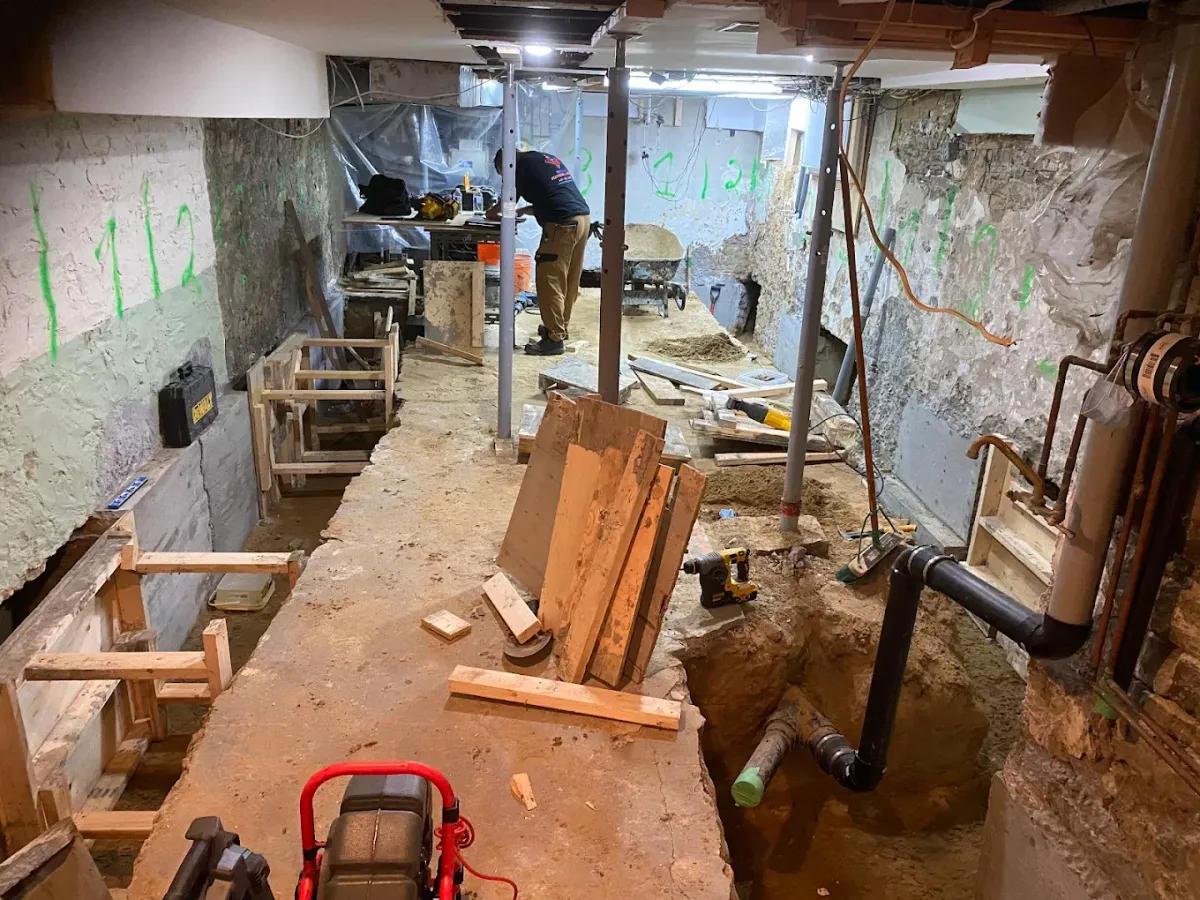
When a summer downpour overwhelms Toronto's combined sewers, basements flood fast — and the difference between a stressful afternoon and a five-figure loss usually comes down to what you do in the first hour and what you installed before the storm. This hub is the single map of the whole problem: how to react safely while water is still coming in, how to handle the cleanup and insurance claim afterward, and how to install the right prevention — backwater valve, sump pump, and weeping-tile work — so the next storm passes without a flood. Each section links to the deeper guide so you can go straight to whatever stage you're in right now. We've handled basement flooding across Toronto and the GTA since 2016, and the sequence below is the order we actually work through it with homeowners.
Related services for this guide
If this article matches what you are dealing with, use one of these links to move into the service or broader category that makes the most sense.
Project photos related to this guide
These real project photos help show what this kind of work looks like in the field, not just on the page.
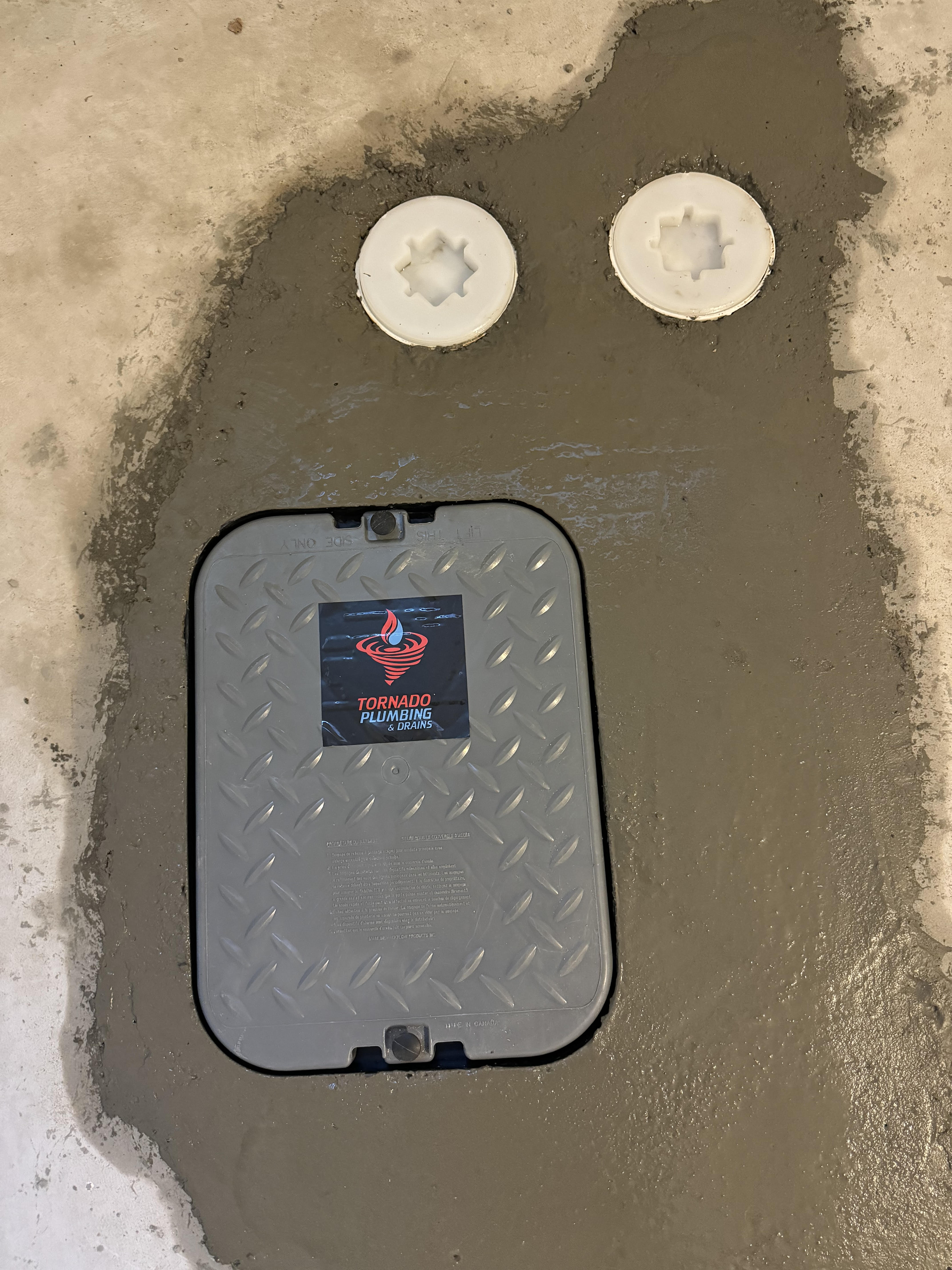
Backwater-valve access finished after concrete patch
This result photo shows the finished access point after basement flood-protection plumbing was installed and the floor was restored.
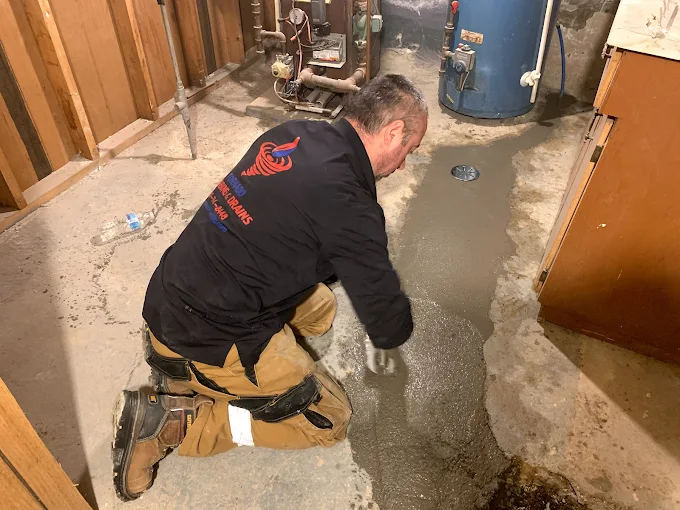
Basement floor patched back after flood-prevention plumbing work
Finished concrete patch after below-floor flood-prevention work, showing the restored surface homeowners see after the plumbing is installed.

Basement floor drain area patched after protection work
This result photo shows the floor area restored after underground basement flood-prevention plumbing work and tie-ins were completed.
Read next in this topic
These related guides help you compare cost, scope, and next steps without starting over.
Best local service areas for this topic
Use one of these city pages when you want the same problem explained through local housing, flood risk, access, and neighbourhood-specific plumbing context.
Licensed, insured, reviewed Toronto plumbers
Serving Toronto & the GTA since 2016 — over 1,200 completed jobs.
Master plumber T95-4969603 · Plumbing contractor T94-4992639 · Drain contractor T87-4722944 · Building renovator T85-4728632 · Plumbing license FI6216638.
180+ five-star Google reviews. 400+ HomeStars reviews (Best of 2019–2025). BBB-accredited.
Same-day and after-hours dispatch across Toronto, Etobicoke, North York, Scarborough, York, Mississauga, and Burlington.
25-year workmanship warranty
Every job Tornado Plumbing & Drains completes in Toronto and the GTA — repair, install, replacement, drain work, sewer work, fixture work — is backed by a 25-year workmanship warranty. The written terms are provided with every quote. If our work fails within 25 years of the install date, we come back and make it right.
Quick answer
Toronto basements flood in summer because high-intensity rain overwhelms the city's combined sewers, which back up into the lowest fixtures, and because groundwater rises faster than a sump pit can clear it. There are three stages to handle: (1) during the flood — kill power to the affected area if it's safe, stop using water, move valuables up, and call for emergency help; (2) after the flood — document everything, start drying within 24–48 hours to limit mould, and open your insurance claim; (3) before the next storm — install a backwater valve, a sump pump with battery backup, and disconnect weeping tile from the sanitary sewer where applicable. The City of Toronto's Basement Flooding Protection Subsidy can offset much of that prevention cost. Use the sections below to jump straight to your stage.
What should I do when my Toronto basement floods in a summer storm?
Act in three stages: during the flood, cut power to the basement if safe, stop using all water, move valuables up, and call for emergency help. After it stops, start drying within 24-48 hours to limit mould and open your insurance claim. Before the next storm, install a backwater valve and a sump pump with battery backup.
Why summer storms flood Toronto basements specifically
Toronto floods in summer for a structural reason, not bad luck. A large share of the city's older neighbourhoods sit on combined sewers, where stormwater and sanitary waste share one pipe. During an ordinary day that pipe has plenty of capacity, but a sudden high-intensity summer cloudburst dumps far more water than the system was sized for. When the combined sewer surcharges — fills to the top and pressurizes — the path of least resistance is backward, up through the lowest fixtures in your home: the basement floor drain, a basement toilet, or a laundry standpipe.
At the same time, saturated ground around the foundation raises the water table. If your home has weeping tile draining to that same sanitary sewer, or a sump pump that can't keep up — or no sump system at all — groundwater pushes through the slab and foundation joints. The two mechanisms often hit together during the same storm, which is why a basement can flood from the drain and from the walls in one event. Power outages are common during these storms too, which is exactly when a sump pump without a battery backup quits. The companion piece Why Toronto Sewers Back Up in Heavy Rain breaks down the sewer mechanics in detail.
The three stages — and where to go for each
| Stage | What's happening | Your priority | Go deeper |
|---|---|---|---|
| During the flood | Water is actively entering — from the floor drain, the walls, or both. | Stay safe (electrical risk), stop adding water, protect valuables, call for emergency help. | Basement flooding right now — step by step |
| Right after | Water has stopped but damage and mould risk are growing by the hour. | Document, extract water, start drying within 24–48 hours, open the insurance claim. | After the flood — cleanup & insurance |
| Recurring backups | It floods every big storm; the cause is the sewer or the floor drain. | Camera the line, find the cause, fix the drain/sewer, add a backwater valve. | Floor drain backing up during rain |
| Before the next storm | Dry now, but the next cloudburst is a matter of when, not if. | Install backwater valve, sump pump + battery backup, and weeping-tile disconnect. | Prevent basement flooding in heavy rain |
Stage 1 — While the water is still coming in
The first hour decides how bad it gets. Safety comes before property every time: standing water in a basement with live electrical outlets, a furnace, or a water heater is an electrocution risk, so if you can reach the panel safely (dry hands, dry footing, not standing in water), shut off power to the basement. If you can't reach it safely, stay out and call an electrician or the fire department.
Next, stop adding to the problem: don't run taps, the washing machine, the dishwasher, or flush toilets — every litre you send down the drain during a sewer surcharge can come right back up. Move whatever you can lift to higher ground or upper floors, and photograph the water level and damaged items as you go (you'll need this for insurance). Then call for emergency help. For the full minute-by-minute version — including what not to touch and when to evacuate — read My Basement Is Flooding Right Now: Step-by-Step. If raw sewage is involved, treat it as a contamination hazard and keep people and pets out until it's professionally cleaned: Sewage Backup: What to Do.
Stage 2 — Cleanup and the insurance claim
Once the water stops, the clock starts on mould. Drying needs to begin within roughly 24–48 hours, because porous materials — drywall, insulation, carpet, particleboard — that stay wet past that window usually have to be removed rather than dried. Extract standing water, pull wet materials, run dehumidifiers and air movers, and keep documenting everything with photos and an itemized list before you throw anything out.
On the insurance side, open the claim promptly and ask specifically whether you have sewer-backup and overland-water coverage — these are separate add-ons that many Toronto policies don't include by default, and they cover different flood mechanisms. Keep all receipts, and get a written cause-of-loss from your plumber if the flood came from a sewer or drain failure; insurers frequently ask for it. The complete cleanup-and-claim workflow, including what insurers commonly deny and how to document around it, is in After the Flood: Cleanup, Insurance, and Stopping the Next One.
Stage 3 — Prevention that actually holds up to a Toronto storm
Prevention is where the math turns in your favour. The three measures that matter against a summer storm map directly onto the two flood mechanisms. A backwater valve stops sanitary sewer water from flowing backward into your basement when the combined sewer surcharges — it's the single most effective defence against drain-side flooding. A sump pump removes groundwater from a basin under the slab before it can rise above the floor, and a battery backup keeps that pump running during the power outage that so often accompanies a major storm. Where a home's weeping tile drains into the sanitary sewer, disconnecting it and re-routing to a sump pit removes a major source of surcharge pressure.
Done together, these turn a flood-prone basement into one that shrugs off the same storm that flooded it before. The step-by-step prevention walkthrough is in How to Prevent Basement Flooding in Heavy Rain, and the full Basement Waterproofing & Flood Prevention category covers the larger waterproofing scope. Crucially, the City of Toronto's Basement Flooding Protection Subsidy reimburses much of this work for eligible properties — the dollar amounts, eligibility, and application steps are in the Toronto Basement Flooding Subsidy guide.
Which prevention measure solves which problem
| Measure | Flood mechanism it stops | Best for | Service page |
|---|---|---|---|
| Backwater valve | Sanitary sewer backing up through floor drains/toilets during surcharge. | Any home on or near a combined sewer that has backed up, or wants to prevent it. | /Backwater-Valve-Installation |
| Sump pump | Groundwater rising through the slab and foundation joints. | Homes with a high water table or a foundation drain that needs somewhere to discharge. | /Sump-Pump-Installation |
| Battery backup sump pump | Sump pump failure during a storm-driven power outage. | Any home relying on a sump pump where an outage would mean a flood. | /Battery-Backup-Sump-Pump |
| Weeping-tile disconnect / waterproofing | Foundation drainage tied to the sanitary sewer adding to surcharge. | Older homes whose weeping tile drains to the sanitary sewer. | /Basement-Waterproofing-Flood-Prevention |
How a typical summer-storm flood plays out
A common pattern we see across the GTA: a fast-moving July storm drops a month's worth of rain in an hour. The combined sewer surcharges, the basement floor drain backs up, and at the same time a power flicker stops the sump pump — so groundwater starts pushing through the slab. The homeowner kills power to the basement, stops using water, moves what they can, and calls for emergency help. Cleanup and drying start within a day; the insurance claim hinges on whether they carry sewer-backup coverage.
After the dust settles, the prevention scope is decided by a camera inspection and a look at how the weeping tile is routed. For most homes that's a backwater valve plus a sump pump with battery backup; for older homes on a combined sewer it often adds a weeping-tile disconnect. With the City subsidy applied, a large portion of that prevention cost comes back. The home that flooded in that storm typically stays dry through the next one — that's the whole point of moving through all three stages instead of just mopping up and hoping.
The Toronto context behind these floods
Toronto created its Basement Flooding Protection Subsidy after major storms overwhelmed the sewer system and flooded thousands of basements across the city — a wake-up call that property-level prevention is far cheaper than rebuilding storm infrastructure pipe by pipe. A meaningful share of the city's sewer network is combined, which is the structural reason backups happen during intense rain, and climate trends are pushing the frequency of high-intensity summer cloudbursts upward. That combination — old combined sewers plus heavier storms — is why basement flooding is a recurring Toronto summer story rather than a one-off. It's also why the most effective response is at the property level: a backwater valve and sump system on your home work on the next storm regardless of how long the citywide infrastructure upgrades take. Across Toronto, Scarborough, Etobicoke, and the rest of the GTA, the older the neighbourhood, the more likely a home is on a combined sewer and the more valuable that property-level protection becomes.
Jump to the stage you're in
The minute-by-minute emergency steps — safety first, then stopping and documenting the damage.
Cleanup within the mould window and the insurance claim workflow, including coverage you may not have.
The five prevention steps that actually hold up to a Toronto summer storm.
The single most effective defence against sewer water backing up through your floor drain.
Clear groundwater before it rises above the slab — pair with a battery backup for outage protection.
The complete waterproofing category, including weeping-tile disconnect work.
Sources referenced in this hub
Get scoped before the next storm — or get help during one
If your basement is flooding right now, call 647-784-8448 for same-day and after-hours emergency dispatch across Toronto and the GTA. If the storm has passed and you want to make sure the next one doesn't get in, book a prevention scope through Backwater Valve Installation, Sump Pump Installation, or the full Basement Waterproofing & Flood Prevention category. We camera the line where needed, recommend the right combination for your home, and handle the City subsidy documentation so eligible work comes back to you.
Common questions about Toronto summer storm flooding
Why does my basement only flood during heavy summer storms?
Because the flood is driven by storm intensity, not everyday water use. A sudden cloudburst overwhelms Toronto's combined sewers and raises the groundwater table at the same time. On a normal day the system has plenty of capacity; it's the short, intense summer downpour that surcharges the sewer and pushes water backward into your basement or up through the slab.
What should I do first when the basement starts flooding?
Safety first: if you can reach the electrical panel without standing in water, cut power to the basement, because standing water plus live outlets is an electrocution risk. Then stop using all water in the house so you don't add to a sewer backup, move valuables up, and photograph the damage. Then call for emergency help. The full sequence is in our step-by-step flooding guide.
How quickly do I need to start cleanup to avoid mould?
Drying should begin within roughly 24–48 hours. Porous materials like drywall, insulation, and carpet that stay wet past that window usually have to be removed rather than salvaged, and mould growth accelerates after that point. Extract water, pull wet materials, and run dehumidifiers and air movers as soon as it's safe.
Will my home insurance cover a flooded basement?
Only if you carry the right add-ons. Sewer-backup coverage and overland-water coverage are usually separate from a standard policy and cover different mechanisms. Open the claim promptly, ask your insurer specifically which coverages apply, keep all receipts, and get a written cause-of-loss from your plumber if the flood came from a sewer or drain failure.
What's the single most effective thing to prevent the next flood?
For drain-side flooding, a backwater valve — it physically stops sewer water from flowing backward into your basement during a surcharge. For groundwater coming through the slab, a sump pump with a battery backup. Most flood-prone Toronto homes benefit from both, and older homes on a combined sewer often add a weeping-tile disconnect.
Does the City of Toronto help pay for flood prevention?
Yes. The City's Basement Flooding Protection Subsidy reimburses a substantial portion of eligible backwater valve, sump pump, and weeping-tile disconnect work for qualifying properties. The work must be done by a licensed contractor with a permit and inspection. Our dedicated subsidy guide covers the current amounts, eligibility, and application steps.
It floods every single storm — what does that mean?
Recurring storm flooding almost always means a specific, findable cause: a compromised sewer line, a floor drain tied directly into a surcharging combined sewer, or a failing/absent sump system. A drain camera inspection finds it. The fix is usually a combination of clearing or repairing the line and adding a backwater valve so a future surcharge can't get back in.
Is prevention work warrantied?
Yes — every install Tornado completes carries our 25-year workmanship warranty, with the written terms provided on the quote. That's independent of any City subsidy, which is a reimbursement program rather than a warranty.
Explore more