How to Know When Your Water Heater Needs Repair in Toronto
By Serhiy Marunchuk, Master Plumber · Licence T95-4969603 · Updated September 15, 2026
Learn the warning signs of water heater problems and when professional repair can help restore reliable hot water and prevent further plumbing damage.
Published September 15, 2026
On this page
Related services
Get a free estimate
Introduction
A reliable supply of hot water is easy to take for granted until your water heater starts showing signs of trouble. Cold showers, fluctuating temperatures, unusual noises, or water pooling around the unit can indicate that something inside the system is no longer working properly.
For Toronto homeowners, recognizing these warning signs early can make a significant difference. A minor component problem may be repairable before it develops into a larger failure, while an ignored leak or damaged tank can lead to water damage and unexpected replacement costs.
Understanding the common symptoms of water heater problems can help you decide when it is time to arrange a professional inspection or repair.
Related services for this guide
If this article matches what you are dealing with, use one of these links to move into the service or broader category that makes the most sense.
Project photos related to this guide
These real project photos help show what this kind of work looks like in the field, not just on the page.
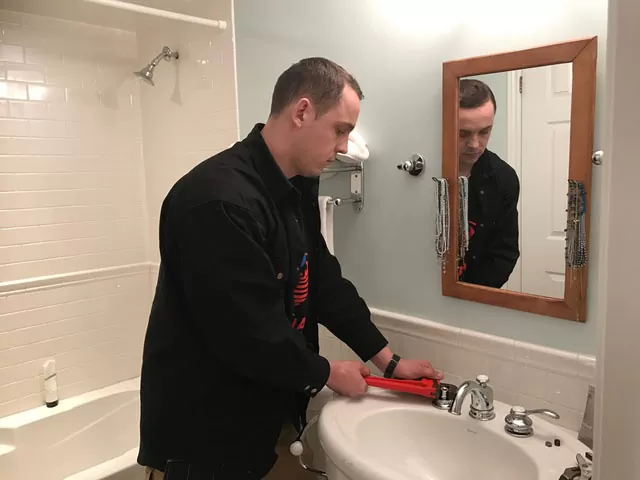
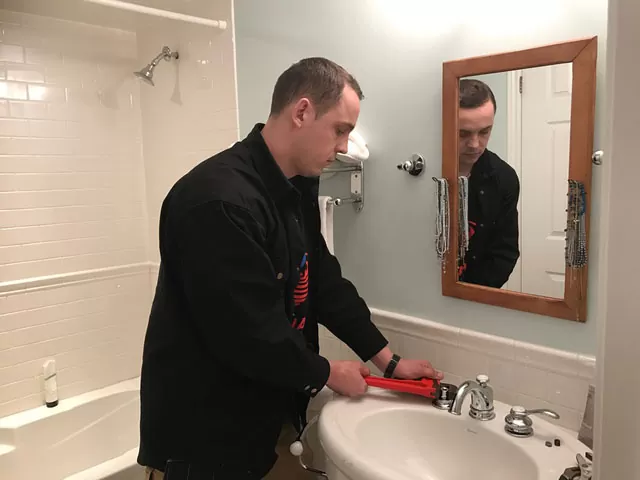
Technician handling a residential interior plumbing service call
This is a useful general indoor-service photo for interior plumbing pages where homeowners want to see a real technician on site instead of generic brand graphics.
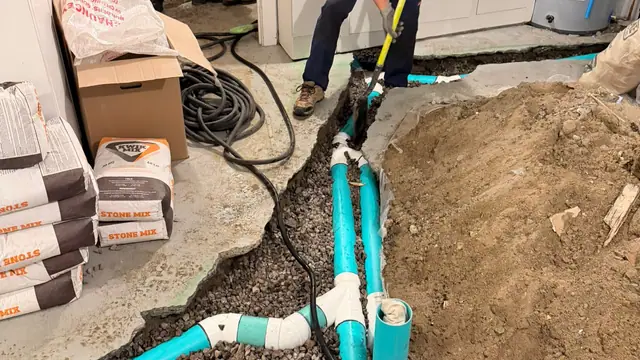
Basement floor opened to replace the under-slab drain lines
Interior drain re-piping, August 2026. The slab was cut along the drain route, the old lines removed, and new PVC drain connections laid on gravel with stub-ups for the fixtures above.
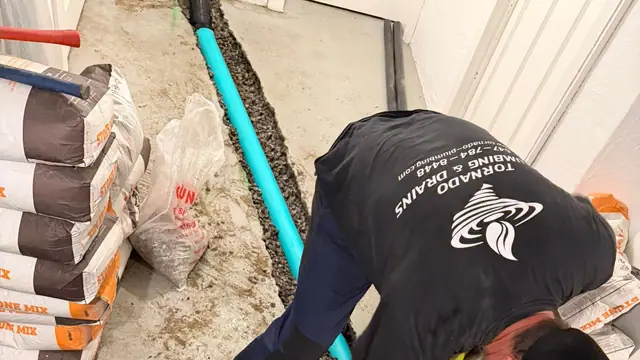
Bedding the new basement drain run in gravel
Same August 2026 basement drain project: each fitting is supported and the run is bedded in clear gravel before restoration, so the slope set during installation does not move.
Customer stories related to this topic
These customer stories pair real review quotes with the service pages most closely related to this guide.
D K (Three)
December 2023“Don't bother calling other companies. Called in few for estimates before going with Tornado given positive reviews and fair pricing. Fast, clean, polite service. Serhiy was very professional, explained everything including what to look out for after. This is not a small job, replacing sewer pipe (roots issue). They checked water and gas pipe to ensure safety. Everything done within one day. 10 out of 10.”
David Lyle
October 2021“Excellent service....the technician was knowledgeable and competent. I would recommend Tornado for your drain needs...dl”
Dawn Stocks
August 2024“Great service - very professional. Came at a moments notice and fixed our leaking toilet”
Read next in this topic
These related guides help you compare cost, scope, and next steps without starting over.
Best local service areas for this topic
Use one of these city pages when you want the same problem explained through local housing, flood risk, access, and neighbourhood-specific plumbing context.
Inconsistent or Insufficient Hot Water
One of the most noticeable signs of a water heater problem is a change in the amount or temperature of hot water available.
If your shower suddenly turns cold, the water takes much longer to heat, or the temperature changes while you are using it, the system may have an issue with its heating components, thermostat, or other internal parts.
A gradual reduction in hot water can also be related to sediment accumulating inside the tank. Over time, minerals and other deposits can settle at the bottom of a tank and affect its heating performance.
If your household's hot water supply has noticeably changed, a professional assessment can help determine the cause.
Water Heater Is Leaking
Water around your water heater should never be ignored. Even a small amount of water can indicate a loose connection, faulty valve, damaged component, or a problem with the tank itself.
The location and amount of the water can provide useful clues, but determining the exact source is not always straightforward. Water can travel along pipes or equipment before collecting on the floor.
A leaking tank can be particularly serious because corrosion or internal damage may eventually result in a larger failure. If you notice water around the unit, arrange an inspection rather than assuming the problem will resolve on its own.
Strange Noises Coming From the Unit
Water heaters can make some operating sounds, but a noticeable change in sound can indicate a developing problem.
Popping, rumbling, banging, or crackling noises may occur when sediment has accumulated inside a tank. When the heating element warms water beneath a layer of sediment, trapped water can produce unusual sounds as it heats.
Other noises may be related to heating components, valves, or pressure within the system. If your water heater has suddenly become much louder than it used to be, professional diagnosis can help identify the underlying issue.
Discoloured or Rusty Hot Water
If the hot water coming from your faucets has a rusty, brown, or unusual appearance, it is worth investigating.
Discolouration can sometimes be related to corrosion inside the water heater or deterioration of components connected to the system. However, the source may also involve your home's plumbing rather than the water heater itself.
Comparing hot and cold water can sometimes provide useful information. If discoloration occurs primarily with hot water, the water heater deserves closer attention.
Higher Energy or Utility Costs
A water heater that is becoming less efficient may need to work harder and longer to provide the same amount of hot water.
If your household's hot water usage has not changed but energy costs have increased noticeably, the water heater may be one factor worth checking. Sediment buildup, aging components, poor temperature control, and general equipment deterioration can affect performance.
Higher operating costs do not automatically mean the water heater needs repair, but they can be a reason to have the system evaluated.
The Water Takes Too Long to Heat
Another common warning sign is an unusually long recovery time between uses.
For example, if your household previously had enough hot water for normal morning routines but now has to wait significantly longer between showers, the heating system may not be operating efficiently.
The problem could involve a heating element, thermostat, sediment accumulation, or another component. A professional can test the system and determine whether repair is appropriate.
Low Hot Water Pressure
Low water pressure from hot-water faucets can sometimes point to a plumbing issue affecting the water heater or connected piping.
Mineral deposits, restrictions, valve problems, or pipe corrosion may interfere with water flow. Because low pressure can have several possible causes, it is important not to assume that the water heater itself is always responsible.
A proper inspection can help distinguish between a water heater problem and an issue elsewhere in the plumbing system.
When Should You Call for Water Heater Repair?
You do not necessarily need to wait until your water heater stops working completely before calling a professional. Early inspection can be useful when you notice repeated changes in temperature, unusual sounds, visible leaks, discoloured water, or reduced performance.
Prompt attention is especially important when water is actively leaking or the equipment shows signs of significant deterioration. A professional can assess the system, identify the likely cause, and explain whether repair, maintenance, or replacement makes the most practical sense.
For homeowners looking for Water Heater Repair in Toronto addressing warning signs early can help avoid more disruptive plumbing problems.
Repair or Replacement: Which Is Better?
Not every water heater problem means the entire unit needs to be replaced.
A repair may make sense when the issue involves an individual component or a relatively straightforward mechanical problem. However, an older unit with repeated failures, significant corrosion, or extensive tank damage may be a different situation.
The decision should consider the age and condition of the equipment, repair history, efficiency, expected remaining service life, and cost of the repair compared with replacement.
A professional assessment provides a better basis for making that decision than relying on a single symptom.
How Toronto Homeowners Can Reduce Water Heater Problems
Regular attention can help identify developing problems before they become major failures. Homeowners should pay attention to changes in water temperature, unusual sounds, visible corrosion, leaks, and changes in hot water availability.
Keeping the area around the water heater accessible also makes it easier to notice leaks or other changes. If your system has manufacturer-recommended maintenance requirements, following those recommendations can help support reliable operation.
It is also important to avoid attempting complex repairs without the appropriate knowledge and equipment. Water heaters involve electrical, gas, water, and pressure-related components depending on the system, so professional service is often the safer option.
Final Thoughts
A water heater rarely fails without giving some indication that something has changed. Inconsistent hot water, unusual noises, leaks, discoloured water, longer heating times, and rising operating costs can all be reasons to investigate.
For Toronto homeowners, recognizing these signs early can help prevent a small water heater problem from becoming a larger plumbing or property-damage issue. A professional inspection can identify the cause and help determine whether repair or replacement is the right next step.
Frequently Asked Questions
How do I know if my water heater needs repair?
Common signs include inconsistent hot water, unusual noises, leaking, discoloured hot water, slow heating, low hot water pressure, and changes in operating costs. A professional inspection can determine the specific cause.
Can a leaking water heater be repaired?
Some leaks come from connections, valves, or replaceable components and may be repairable. If the storage tank itself is damaged or corroded, replacement may be necessary.
Why is my water heater making a popping or rumbling noise?
Sediment buildup inside a tank can cause popping or rumbling sounds as water heats around accumulated deposits. Other mechanical issues can also produce unusual noises, so inspection is recommended if the sound is persistent or new.
How long does a water heater repair take?
Repair time depends on the problem and the components involved. A straightforward component repair may be completed relatively quickly, while more complex issues can require additional diagnostic or repair work.
Should I repair or replace my water heater?
The right choice depends on the unit's age, condition, repair history, efficiency, and the extent of the problem. A professional assessment can help you compare the practical costs and benefits of repair versus replacement.
Explore more