Emergency Plumbing Service in Toronto: What Homeowners Should Know About Plumbing Emergencies
By Serhiy Marunchuk, Master Plumber · Licence T95-4969603 · Updated November 26, 2026
Understand common plumbing emergencies, protect your property from water damage, and learn when professional plumbing assistance is necessary.
Published November 26, 2026
On this page
Related services
Get a free estimate
Introduction
Plumbing problems can occur unexpectedly and quickly become stressful for homeowners. A burst water pipe, sewer backup, overflowing toilet, or sudden basement leak can interrupt daily activities and cause significant property damage. In Toronto, seasonal temperature changes, heavy rainfall, aging plumbing infrastructure, and groundwater conditions can contribute to unexpected plumbing failures.
Knowing when to contact an emergency plumbing service in Toronto can help homeowners respond quickly and prevent a manageable problem from becoming an expensive repair. Some plumbing issues require immediate attention, while others can be addressed through scheduled maintenance.
This article explains common plumbing emergencies, practical steps to take when a problem occurs, and how services such as weeping tile replacement and foundation waterproofing can help protect your home from recurring water problems.
Related services for this guide
If this article matches what you are dealing with, use one of these links to move into the service or broader category that makes the most sense.
Project photos related to this guide
These real project photos help show what this kind of work looks like in the field, not just on the page.
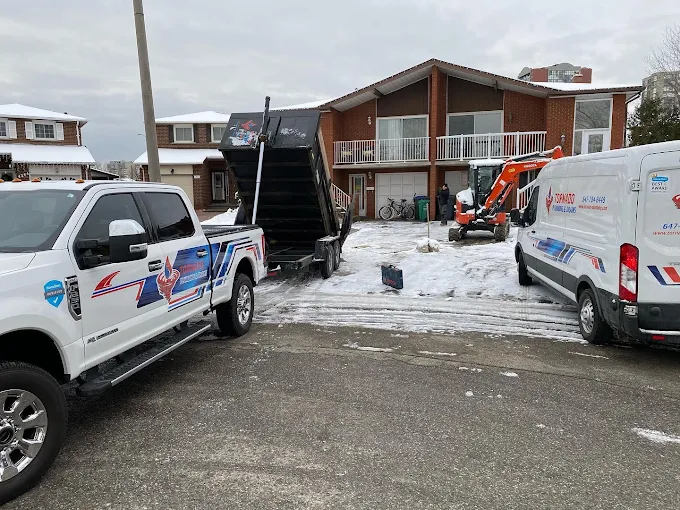
Winter emergency plumbing jobsite with trucks and excavation equipment
This winter jobsite photo helps emergency-service pages show what a real response looks like when the problem cannot wait and outdoor access, weather, and urgency all affect scope.

Serhiy on an active plumbing job site
This owner-led job-site photo reinforces that the company is showing real field work, not stock construction imagery.

Technician working under a kitchen sink
This is a straightforward interior-service photo that supports fixture repair, leak investigation, and small-space plumbing work.
Customer stories related to this topic
These customer stories pair real review quotes with the service pages most closely related to this guide.
Karyn pope
December 2021“I can not say enough great stuff about our dealings with this company from the first phone call and consultation, to fitting us in the same day due to our own work constraints, to the quality of the work performed. Peter’s servicing of a most difficult drainage problem, was extremely knowledgeable, calm, patient, determined and persistent in solving our issues. His work was clean and tidy and respectful of our property. From start to finish this company was a true delight to use and pricing was very fair. I highly recommend them.”
Most relevant to Emergency Plumbing Service in Toronto & the GTA.
Google place photo: Tornado Plumbing & DrainsCharles Qi
April 2019“Exterior water proofing: We were half way through our renovation and one day found lots of water in the basement after a major snow melt. A friend who had good experience working with Tornado Plumbing and Sergey previously recommended him to me. Sergey came the same day I called and identified the problem being the below grade windows and likely broken delta membrane from interior water proofing. He also provided a competitive quote by the end of the day and started on the project within a week. It was a big job but Sergey and his crew finished everything in 2 days with quality. I would highly recommend Sergey for and his team for their professionalism and efficiency.”
Most relevant to Emergency Plumbing Service in Toronto & the GTA.
Google place photo: Tornado Plumbing & DrainsGiovanni Fonseca
January 2023“This company offers very good service, and I would definitely call them again. The plumber that came to my place replaced my toilet. I waited over a year to write this review to make sure that the toilet kept on working, and it has with no problems. I called them on a weekend and the plumber came within a few hours that same day. The lady who took my call was very friendly and helpful. The plumber that came was professional, friendly, and courteous. Before selecting Tornado Plumbing I got estimates from other companies and Tornado Plumbing offered the best rate. I was not charged extra for weekend work. I like the attitude of the plumber. He was service oriented (unlike so many tradespeople who act as if they're doing you a favour).”
Most relevant to Emergency Plumbing Service in Toronto & the GTA.
Google place photo: Tornado Plumbing & DrainsRead next in this topic
These related guides help you compare cost, scope, and next steps without starting over.
Best local service areas for this topic
Use one of these city pages when you want the same problem explained through local housing, flood risk, access, and neighbourhood-specific plumbing context.
What Are the Most Common Plumbing Emergencies?
A plumbing emergency is a situation that requires prompt attention because it may affect your property's water supply, drainage, sanitation, or structural condition.
Some common examples include:
Burst Water Pipes: Pipes can crack because of freezing temperatures, corrosion, excessive pressure, or deteriorating connections. A burst pipe may release water into walls, ceilings, and flooring.
Sewer Backups: When the main sewer line becomes blocked or damaged, wastewater may return through basement floor drains, toilets, or other plumbing fixtures.
Severe Drain Blockages: A completely blocked drain can prevent wastewater from flowing properly. If multiple fixtures are affected, the problem may involve the main drainage system.
Water Heater Leaks: A leaking water heater can damage surrounding flooring and nearby belongings. The problem may result from corrosion, loose connections, or internal component failure.
Basement Flooding: Water entering through foundation cracks, floor joints, or drainage systems can cause damage to finished basements and stored belongings.
Recognizing these situations early helps homeowners determine when immediate professional assistance is necessary.
What Should You Do During a Plumbing Emergency?
Taking the correct steps before a plumber arrives can help reduce water damage and make the repair process safer.
1. Turn Off the Main Water Supply
If a water pipe has burst or a major leak is occurring, locate the main shut-off valve and turn it off if it is safe. This stops additional water from entering the plumbing system.
2. Avoid Electrical Hazards
Never touch electrical equipment, outlets, or appliances in flooded areas. If water is approaching electrical installations, stay away and contact the appropriate emergency professionals.
3. Protect Your Belongings
Move furniture, electronics, documents, and other valuable items away from affected areas when it is safe. Removing standing water may also help limit damage, provided there are no electrical or contamination risks.
4. Stop Using Affected Plumbing Fixtures
If wastewater is backing up or several drains are blocked, avoid using connected sinks, toilets, showers, and appliances. Additional water may make the situation worse.
5. Arrange Professional Plumbing Assistance
Explain the problem, when it started, and which areas of your property are affected. Providing these details helps the plumbing professional understand the situation and prepare for an appropriate inspection.
Why Do Plumbing Emergencies Happen in Toronto?
Toronto homes experience several environmental and infrastructure-related plumbing challenges.
During winter, exposed or poorly insulated pipes may freeze when temperatures drop. As water freezes, it expands and creates pressure inside the pipe. This can cause cracks that become noticeable when the ice melts.
Older homes may also have aging supply pipes, deteriorating connections, or drainage systems that have experienced years of wear. Tree roots can enter underground sewer pipes through small openings and gradually restrict wastewater flow.
Heavy rainfall and snowmelt create another challenge. Excess groundwater can place pressure on foundation walls and drainage systems, particularly when exterior drainage is damaged or insufficient.
Understanding these conditions helps homeowners recognize potential problems and arrange inspections before a plumbing failure causes significant damage.
When Is Weeping Tile Replacement Necessary?
Weeping tiles are perforated drainage pipes installed around a building's foundation to collect groundwater and direct it toward an appropriate drainage outlet or sump system.
Over time, these pipes can become blocked by soil, sediment, tree roots, or other debris. Older drainage pipes may also crack, collapse, or deteriorate, reducing their ability to move groundwater away from the foundation.
When the system stops functioning properly, water may accumulate around the foundation and increase the risk of basement moisture and flooding.
Weeping tile replacement in Toronto may be required when an existing drainage system is severely damaged or cannot be restored through cleaning or localized repairs.
The replacement process generally involves assessing the drainage system, excavating the affected area when necessary, removing deteriorated pipes, installing new drainage piping, and ensuring that water can flow toward the appropriate outlet.
Common warning signs include:
Repeated basement water infiltration after rainfall.
Damp or discoloured foundation walls.
Water entering through cracks near the basement floor.
Persistent moisture around the foundation.
Drainage problems that continue despite other repairs.
A professional assessment can help determine whether the issue is caused by damaged weeping tiles, foundation cracks, sump pump problems, or another drainage concern.
How Does Foundation Waterproofing Protect Your Home?
Foundation waterproofing helps prevent groundwater and moisture from entering a property through foundation walls and other vulnerable areas.
Toronto homeowners may experience water infiltration because of heavy rainfall, melting snow, poor exterior grading, damaged waterproofing membranes, or hydrostatic pressure in the surrounding soil.
Depending on the condition of the foundation, waterproofing work may involve repairing cracks, applying protective membranes, improving exterior drainage, and addressing areas where water can enter the basement.
Foundation waterproofing in Toronto is particularly important for homes experiencing recurring basement leaks, damp walls, or water infiltration after storms.
It is important to identify the source of the moisture before choosing a repair method. For example, a leaking supply pipe requires plumbing repairs, while groundwater entering through foundation walls may require waterproofing or drainage improvements.
In some properties, both foundation waterproofing and weeping tile replacement may be necessary to manage water effectively.
When Should You Call an Emergency Plumbing Service in Toronto?
Not every plumbing issue requires immediate attention, but certain situations should never be ignored.
Contact a professional when:
A burst pipe is releasing water inside your home.
Sewage is entering your basement through drains or toilets.
A major leak cannot be controlled.
Your main water shut-off valve is damaged or not functioning.
A plumbing failure is causing active flooding.
Your main water supply has suddenly stopped because of a suspected pipe failure.
Minor dripping faucets, slow drains, and small leaks that have been safely isolated may be suitable for scheduled repairs. However, recurring problems should still be inspected to prevent further damage.
The important consideration is whether the issue is creating an immediate risk to your property, health, or essential water and drainage systems.
Practical Ways to Prevent Future Plumbing Problems
Regular maintenance can reduce the likelihood of unexpected plumbing failures and help extend the life of residential plumbing systems.
Homeowners should periodically inspect visible pipes, valves, and plumbing connections for corrosion, moisture, and signs of deterioration. Insulating exposed pipes before winter can help reduce the risk of freezing.
Drainage systems should also receive attention. Keep floor drains clear, monitor sump pump operation, and avoid disposing of grease, wipes, or other unsuitable materials through household drains.
For properties with recurring basement moisture, inspect foundation walls for water stains, cracks, and damp areas. Addressing drainage problems early may help prevent more extensive water damage.
Professional plumbing inspections can identify developing problems that may not be obvious during everyday use.
Choosing the Right Plumbing Professional
Selecting a plumbing contractor during an emergency requires careful consideration. A quick response is important, but accurate diagnosis and appropriate repair methods matter just as much.
Homeowners should look for a contractor with relevant experience, proper licensing, insurance, and a clear explanation of the proposed work.
Ask about the cause of the problem, the repair process, potential additional work, and expected costs before authorizing non-emergency work.
For underground drainage or basement water problems, it is particularly important to understand how plumbing systems, foundation drainage, and groundwater management work together.
Tornado Plumbing & Drains provides plumbing and drainage services for residential properties in Toronto and the GTA, helping homeowners address plumbing concerns and understand appropriate repair options.
Conclusion
Plumbing emergencies can happen at any time, and problems such as burst pipes, sewer backups, and basement flooding can cause significant disruption when left unaddressed. Knowing how to respond, shutting off the water supply when necessary, and arranging professional assistance can help limit property damage.
Toronto homeowners should also pay attention to underlying drainage and foundation conditions. Weeping tile replacement and foundation waterproofing can help address recurring groundwater problems and reduce the risk of basement water infiltration.
Regular maintenance, early inspections, and appropriate repairs are important steps toward keeping your home's plumbing and drainage systems reliable throughout the year.
Frequently Asked Questions
When should I contact an emergency plumber in Toronto?
Contact an emergency plumber when you experience a burst pipe, uncontrolled water leak, sewer backup, major drainage failure, or active flooding that could damage your property.
What should I do if a water pipe bursts inside my home?
Turn off the main water supply if it is safe, avoid electrical hazards, protect nearby belongings, and arrange professional plumbing assistance to identify and repair the damaged pipe.
Can damaged weeping tiles cause basement flooding?
Yes. Blocked, cracked, or collapsed weeping tiles may prevent groundwater from draining away from the foundation, increasing the risk of basement moisture and water infiltration.
How do I know if my home needs foundation waterproofing?
Persistent basement dampness, water stains, foundation cracks, musty odours, and water entering after heavy rainfall may indicate that your foundation needs a professional waterproofing assessment.
What is the difference between weeping tile replacement and foundation waterproofing?
Weeping tile replacement involves repairing or replacing underground foundation drainage pipes, while foundation waterproofing focuses on preventing moisture from penetrating foundation walls and other vulnerable areas.
Can heavy rainfall cause plumbing emergencies?
Heavy rainfall can overwhelm drainage systems, increase groundwater pressure, and contribute to basement flooding. An inspection can help determine whether the problem involves foundation drainage, sump pump performance, or plumbing infrastructure.
How can I prevent frozen pipes during Toronto winters?
Insulate exposed pipes, disconnect outdoor hoses, protect plumbing in unheated spaces, and address existing leaks before freezing temperatures arrive.
Are all basement leaks caused by plumbing problems?
No. Basement leaks can result from damaged foundation walls, groundwater pressure, blocked weeping tiles, poor exterior grading, or plumbing failures. Identifying the actual source is essential for choosing the correct repair.
Explore more