Basement Flood Prevention in Toronto: Practical Solutions for Homeowners
By Serhiy Marunchuk, Master Plumber · Licence T95-4969603 · Updated September 1, 2026
Heavy rainfall, snowmelt, drainage problems, and foundation leaks can put Toronto basements at risk. Learn practical ways to prevent flooding and protect your home from water damage.
Published September 1, 2026
Introduction
Basement flooding is a concern for many homeowners in Toronto and the GTA, particularly during periods of heavy rainfall and seasonal snowmelt. Water can enter through foundation cracks, poorly managed drainage, basement windows, floor drains, or plumbing and sewer systems.
While some flooding occurs unexpectedly, many basement water problems have warning signs that homeowners can identify in advance. Taking preventive action can help reduce the risk of property damage and avoid more expensive repairs later.
This guide explains practical basement flood prevention measures, common causes of basement water problems, and when homeowners should consider professional assistance.
Related services for this guide
If this article matches what you are dealing with, use one of these links to move into the service or broader category that makes the most sense.
Project photos related to this guide
These real project photos help show what this kind of work looks like in the field, not just on the page.
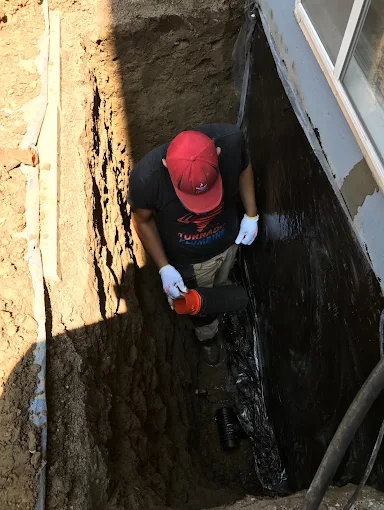
Exterior foundation trench opened for waterproofing work
This trench-stage image gives the waterproofing pages another real project view that shows excavation depth and wall exposure before the waterproofing system is closed back in.
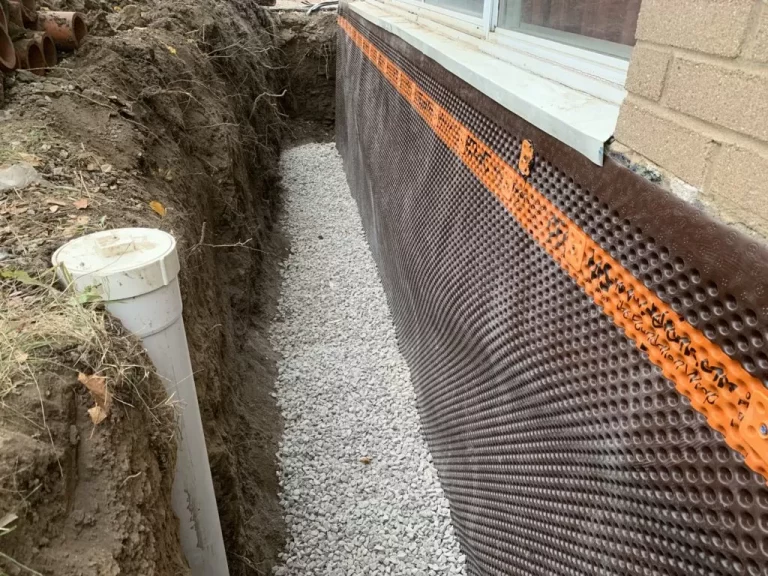
Exterior waterproofing trench with membrane and gravel
This shows the trench stage of foundation waterproofing, where the wall is protected and the drainage layer is ready before the excavation is closed.
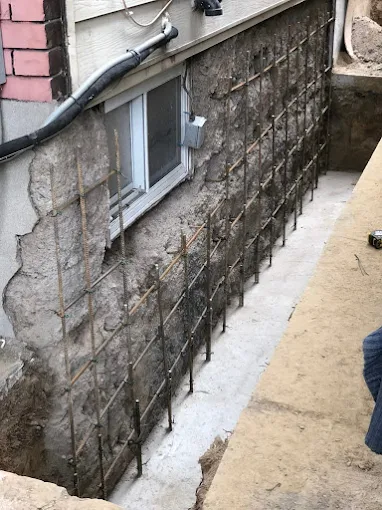
Foundation wall opened for crack repair and waterproofing
The exterior wall is fully opened so damaged areas can be repaired and the waterproofing build-up can be completed before backfill.
Read next in this topic
These related guides help you compare cost, scope, and next steps without starting over.
Best local service areas for this topic
Use one of these city pages when you want the same problem explained through local housing, flood risk, access, and neighbourhood-specific plumbing context.
Basement Flood Prevention in Toronto: Practical Solutions for Homeowners
A basement can provide valuable living, storage, and utility space, but it is also one of the areas of a home most vulnerable to water intrusion. Once water enters, it can damage flooring, drywall, furniture, insulation, and personal belongings. Repeated moisture can create ongoing problems that are more difficult to resolve.
For Toronto homeowners, effective basement flood prevention starts with understanding where water is coming from and addressing potential problems before they become emergencies.
What Causes Basement Flooding in Toronto?
Basement flooding can have several causes. Heavy rainfall can overwhelm drainage around a property, while spring snowmelt can increase the amount of water surrounding foundation walls.
Clogged gutters and downspouts may allow rainwater to collect close to the foundation. Poor grading can also cause water to flow toward the home instead of away from it.
Foundation cracks are another possible entry point. If groundwater repeatedly reaches vulnerable areas of the foundation, moisture may eventually make its way into the basement.
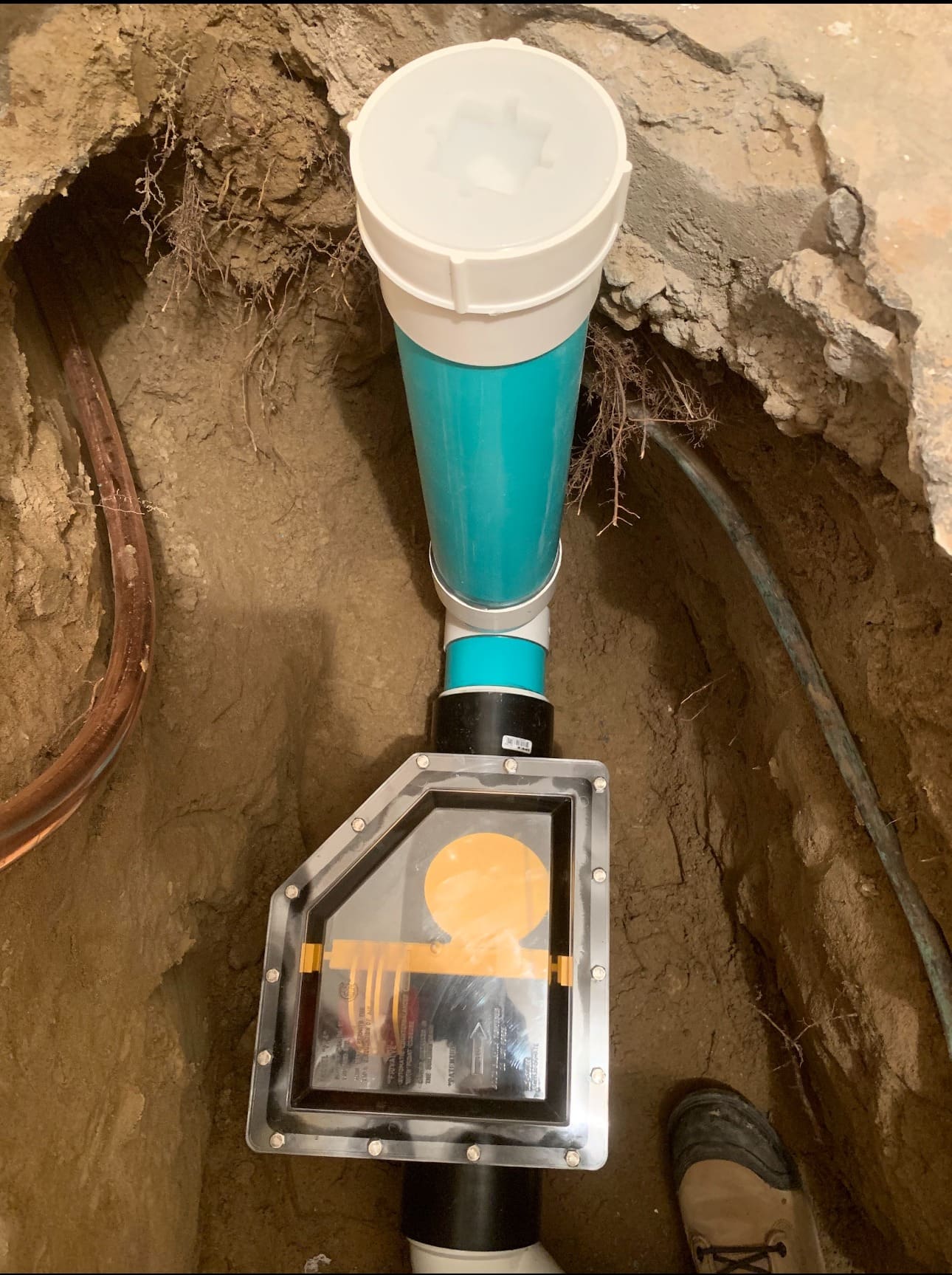
Flooding can also originate from inside the plumbing system. A blocked or damaged sewer line may cause wastewater to back up through basement drains, creating a different type of flooding problem.
Because the causes vary, identifying the source of the water is an important first step.
How Can Gutters and Downspouts Help Prevent Flooding?
Gutters and downspouts are simple but important components of a home's water management system. Gutters collect water from the roof and direct it toward downspouts.
When gutters become filled with leaves and debris, water may overflow near the foundation. Downspouts that release water directly beside the house can create similar problems.
Homeowners should clean gutters regularly and check that downspouts are directing water away from the foundation. After heavy rainfall, it is also useful to look for areas where water is pooling close to the house.
Can Basement Waterproofing Reduce Water Problems?
Basement waterproofing can help reduce moisture intrusion when water is entering through foundation walls, cracks, floors, or other vulnerable areas.
However, waterproofing is not a universal solution for every basement. The appropriate approach depends on the source of the water and the condition of the foundation and surrounding drainage system.
Homeowners experiencing recurring moisture can consider professional basement waterproofing in Toronto as part of a broader strategy for protecting the property.
The goal should be to identify the cause of the water problem first and then select a solution that addresses that specific condition.
Why Is Sump Pump Maintenance Important?
A sump pump can provide an important layer of protection in homes that use a sump system to remove collected water.
Like other mechanical equipment, a sump pump needs to work properly when it is needed. Homeowners should periodically check that the pump starts correctly and that the discharge line is clear.
The discharge should also direct water away from the foundation. If water is discharged too close to the property, it can potentially return toward the foundation and contribute to moisture problems.
A pump that runs continuously, fails to activate, or struggles to remove water should be inspected before the next major rainfall.
Can Sewer Backups Cause Basement Flooding?
Yes. Basement flooding does not always come from outside the property. A blocked or damaged sewer line can cause wastewater to back up through basement floor drains or plumbing fixtures.
Recurring slow drains, gurgling toilets, unpleasant sewer odors, or previous sewer backups can indicate a drainage problem that requires attention.
Sewer-related flooding can be especially serious because wastewater may contain contaminants and can cause extensive damage if it remains inside the home.
Addressing recurring drainage problems early can help reduce the risk of a larger basement flooding event.
What Are the Warning Signs of Basement Water Problems?
Homeowners should pay attention to early signs of moisture before they become major problems.
Common warning signs include water stains, damp walls, musty odors, peeling paint, visible foundation cracks, moisture around basement windows, and standing water after rainfall.
Efflorescence, which can appear as a white deposit on masonry surfaces, may also indicate moisture moving through concrete or masonry.
The timing of the problem can provide useful information. Water that appears after heavy rainfall may point toward exterior drainage or foundation issues, while water coming from a floor drain may suggest a plumbing or sewer problem.
How Can Homeowners Prepare for Heavy Rain?
Flood prevention should begin before severe weather arrives. Homeowners can inspect gutters and downspouts, check visible foundation areas, clear accessible drains, and test sump pumps before periods of heavy rainfall.
Valuable belongings should also be stored away from basement floors where possible. Important documents, electronics, and other sensitive items can be particularly difficult to replace after water damage.
Homeowners should also know where the main water shutoff is located so they can respond quickly if a plumbing-related emergency occurs.
When Should You Contact a Professional?
Professional assistance may be appropriate when basement flooding is recurring, water continues entering despite basic maintenance, or the source cannot be identified.
Homeowners should also seek professional assessment for repeated sewer backups, persistent foundation seepage, sump pump problems, or significant water accumulation.
A professional assessment can help determine whether the issue is related to foundation waterproofing, drainage, plumbing, or sewer systems. Identifying the underlying cause is generally more effective than repeatedly treating visible water without addressing why it is entering the basement.
Conclusion
Basement flood prevention in Toronto requires a proactive approach. Homeowners can reduce many common risks by maintaining gutters and downspouts, monitoring foundation areas, managing drainage, checking sump pumps, and responding to early warning signs.
Water problems should not be ignored simply because they appear minor. Recurring moisture, sewer backups, or foundation seepage can become more serious if the underlying cause is left unresolved.
When the source of basement water is unclear or the problem continues despite routine maintenance, professional evaluation can help determine the most appropriate solution. Taking action early can help Toronto homeowners protect their basements and reduce the potential for costly water damage.
FAQs
What is the best way to prevent basement flooding in Toronto?
Maintaining gutters and downspouts, managing drainage, checking sump pumps, addressing foundation water intrusion, and maintaining plumbing systems can help reduce basement flooding risks.
Does basement waterproofing prevent basement flooding?
Basement waterproofing can help reduce water intrusion through foundation areas, but it may not address sewer backups, plumbing failures, or every type of drainage problem.
How often should I check my sump pump?
Homeowners should periodically test their sump pump, especially before periods of heavy rainfall or snowmelt, to make sure it activates and discharges water properly.
Why does my basement get water after heavy rain?
Water after heavy rainfall can result from poor drainage, clogged gutters, improperly positioned downspouts, foundation cracks, or groundwater pressure. The source should be identified before selecting a repair.
Can a sewer backup cause basement flooding?
Yes. A blocked or damaged sewer line can cause wastewater to back up through basement drains and plumbing fixtures, potentially resulting in significant water damage.
Are foundation cracks a sign of a basement water problem?
Foundation cracks do not always cause flooding, but cracks that allow moisture into the basement should be evaluated to determine the source and appropriate repair.
When should I call a professional for basement water problems?
Professional help is recommended when water intrusion is recurring, the source is unclear, sewer backups occur, or basic maintenance does not resolve the problem.
Explore more