Backwater Valve vs. Sump Pump: Which One Do You Actually Need for Your Toronto Basement?
By Serhiy Marunchuk, Master Plumber · Licence T95-4969603 · Updated September 15, 2026
A backwater valve prevents sewage from backing up into your home, while a sump pump removes groundwater before it reaches your basement. Understanding the difference can help Toronto homeowners make the right investment in flood protection.
Published July 24, 2026 · Last updated September 15, 2026
Introduction
Basement flooding is a growing concern for many Toronto homeowners, especially as heavy rainstorms become more frequent and aging sewer infrastructure faces increasing pressure. If you're looking for ways to protect your home, you've probably come across two common solutions: a backwater valve and a sump pump. While both are designed to reduce the risk of water damage, they solve different problems and are often misunderstood.
Choosing the right system starts with understanding where the water is coming from. A sump pump manages groundwater around your home's foundation, while a backwater valve prevents sewage from flowing back into your basement during sewer surcharges. In this guide, we'll explain how each system works, when it's needed, and how to determine the best basement flood protection solution for your Toronto home.
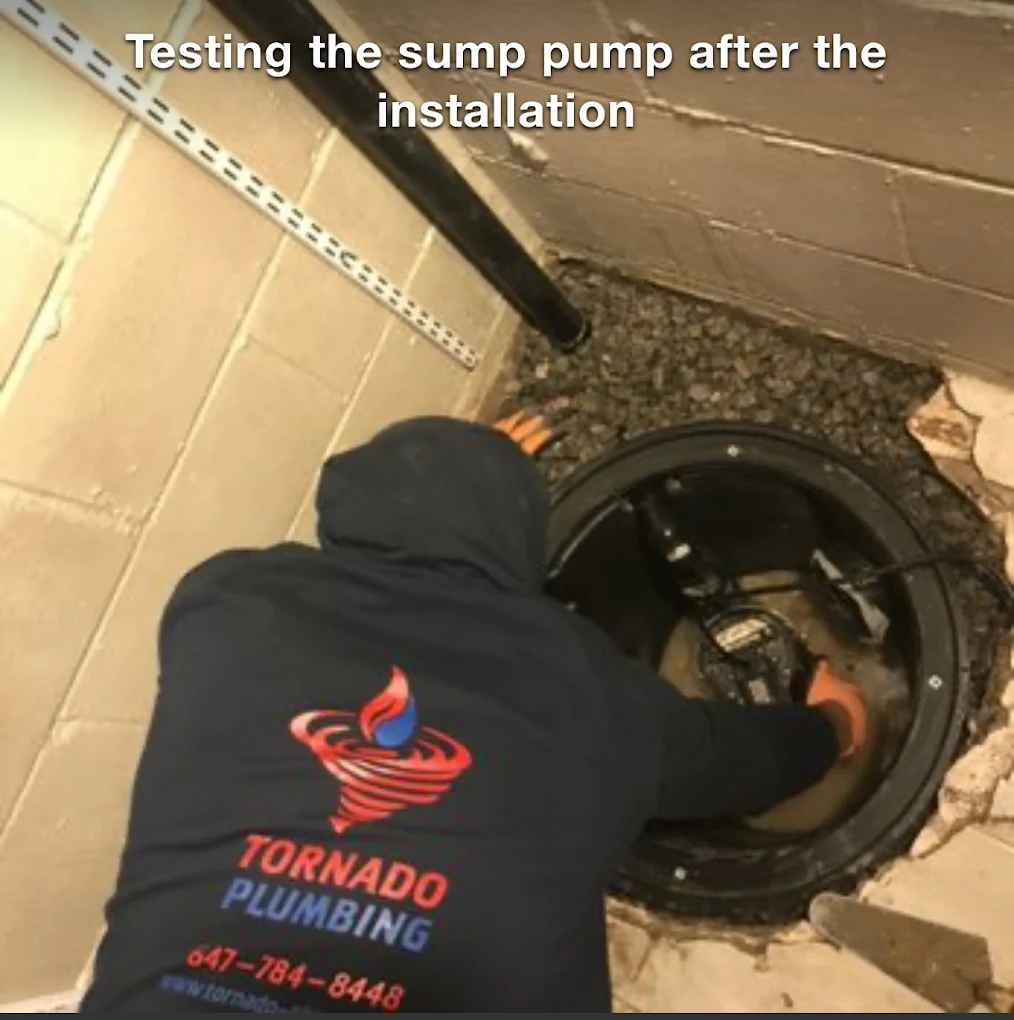
If you're considering Sump Pump Installation for your Toronto home, it's important to know when a sump pump is the right choice and when a backwater valve may also be necessary.
Related services for this guide
If this article matches what you are dealing with, use one of these links to move into the service or broader category that makes the most sense.
Project photos related to this guide
These real project photos help show what this kind of work looks like in the field, not just on the page.
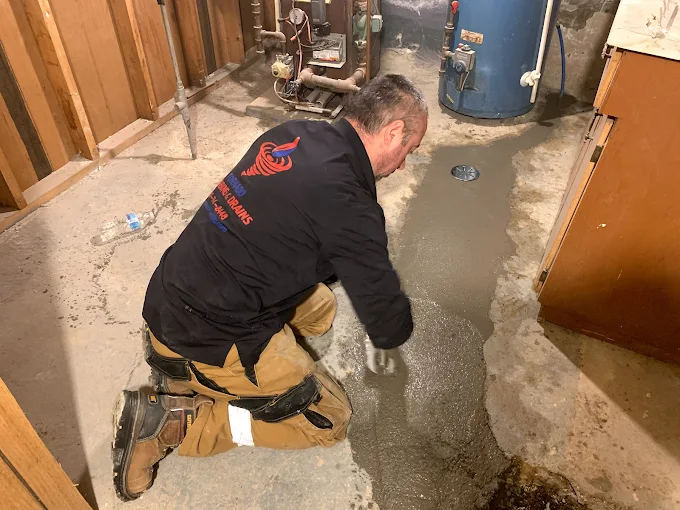
Basement floor patched back after flood-prevention plumbing work
Finished concrete patch after below-floor flood-prevention work, showing the restored surface homeowners see after the plumbing is installed.
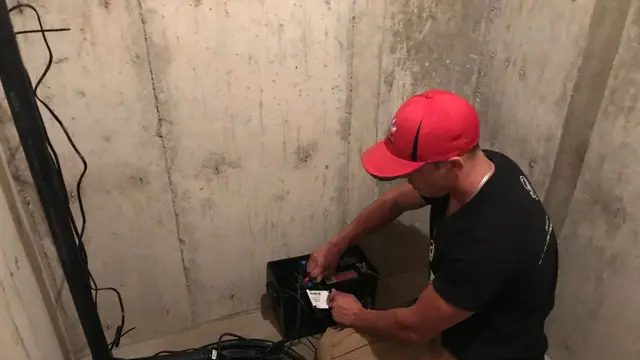
Battery backup sump pump system wiring
This proof photo shows the backup battery and sump components connected and ready for outage protection after the primary sump setup was completed.
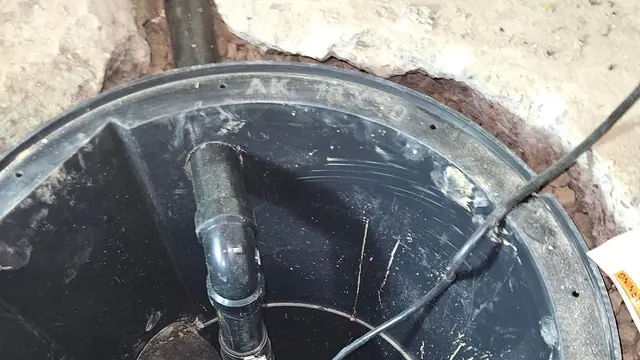
Installed sump pit with pump in place
This is the finished basin stage after the sump pit is set, the pump is placed, and the discharge connection is completed.
Customer stories related to this topic
These customer stories pair real review quotes with the service pages most closely related to this guide.
MR Verxcy
April 2019“We were happy with Tornado plumbing from start and finish. Sergey came on the time to give us a quotation,he found the cracks in our foundation wall also our sump pump didn't work also. We are 100% satisfied with the crew ,they keep job site clean even weather wasn't great, the power flash the driveway and my basement is dry we are so happy!!! Highly recommend”
Most relevant to Sump Pump Installation in Toronto & the GTA.
Google place photo: Tornado Plumbing & DrainsChristina Wilkinson
April 2026“Serhiy and his team did an excellent job! They were very knowledgeable and kind in their explanations on what the best solution for my sump pump discharge issue would be. Also kept a very clean work area and even left me a bunch of the existing materials at my request. I would recommend their services.”
Most relevant to Sump Pump Installation in Toronto & the GTA.
Google place photo: Tornado Plumbing & DrainsOdette Tracey
February 2021“Very responsive service for my sump pump. Troy was very knowledgeable, very professional and made sure I felt comfortable with the suggestions of service recommendations. Will definitely continue to use Tornado and recommend to others.”
Most relevant to Sump Pump Installation in Toronto & the GTA.
Google place photo: Tornado Plumbing & DrainsRead next in this topic
These related guides help you compare cost, scope, and next steps without starting over.
Best local service areas for this topic
Use one of these city pages when you want the same problem explained through local housing, flood risk, access, and neighbourhood-specific plumbing context.
Understanding the Difference
The easiest way to understand these two systems is to look at the source of the water.
A backwater valve protects your home from sewage backing up through the municipal sewer system. During periods of heavy rainfall, Toronto's sewer infrastructure can become overwhelmed, causing wastewater to reverse direction and enter homes through floor drains, toilets, or basement plumbing fixtures. A backwater valve automatically closes when this happens, preventing contaminated water from entering your basement.
A sump pump, on the other hand, deals with groundwater. Water naturally collects around your home's foundation after prolonged rain or snowmelt. Drainage pipes around the foundation direct this water into a sump pit, where the pump removes it before it has a chance to seep into the basement. Although both systems help prevent flooding, they solve completely different problems.
When Is a Sump Pump the Better Choice?
A sump pump is designed for homes where groundwater is the main concern. This is common in Toronto neighborhoods with high water tables or properties that experience water seepage around the foundation.
You may benefit from a sump pump if your basement becomes damp after heavy rain, water appears where the floor meets the wall, or you've noticed recurring moisture issues even though your plumbing system is working properly.
Modern sump pumps activate automatically when water in the sump pit reaches a certain level. The collected water is then discharged safely away from the home's foundation, reducing pressure against basement walls and helping keep the area dry.
For finished basements, a properly installed sump pump can help protect flooring, drywall, furniture, and personal belongings from water damage.
When Does a Backwater Valve Make More Sense?
If your basement has experienced sewage backing up through drains or toilets after a major storm, a backwater valve is likely the better solution. Unlike groundwater, sewer backups occur when the municipal sewer system becomes overloaded. Without a backwater valve, wastewater can flow backward into your home's plumbing system.
This type of flooding is especially damaging because it involves contaminated water that can create health hazards and require extensive cleanup. Many older Toronto neighborhoods still rely on aging sewer infrastructure, making sewer backup protection an important consideration for homeowners.
Do Some Toronto Homes Need Both?
In many cases, yes. Toronto experiences increasingly intense rainstorms, rapid snowmelt, and aging underground infrastructure. These factors create two separate flooding risks—groundwater around the foundation and sewer backups from the city's drainage system.
Installing only one system may solve one problem while leaving your home vulnerable to another. For example, a sump pump cannot stop sewage from entering through a floor drain, while a backwater valve cannot remove groundwater collecting around your foundation. A professional plumbing inspection can determine whether one system is sufficient or if both should be installed for complete basement protection.
Factors That Influence the Right Choice
Every property is different, and several factors influence which solution is most appropriate.
The age of your home plays a significant role, as older properties may have outdated drainage systems or limited waterproofing. The condition of your foundation, the grading around your property, local soil conditions, and your neighborhood's history of flooding can also affect the level of protection your basement needs. A licensed plumber will evaluate these conditions before recommending a solution instead of simply suggesting the same system for every home.
Why Professional Installation Matters
Installing a sump pump involves much more than placing a pump inside a pit.
The system must be properly sized for your home's drainage requirements, connected to an appropriate discharge line, and positioned to move water safely away from the foundation. Improper installation can reduce efficiency or even allow water to flow back toward the home.
Similarly, installing a backwater valve requires modifications to the home's main sewer line and must comply with local plumbing codes. Professional installation ensures both systems operate correctly when they're needed most.
Protecting Your Basement for the Long Term
Preventing basement flooding is usually less expensive than repairing water damage after it occurs.
Beyond installing the right equipment, homeowners should regularly inspect their sump pump, test its operation before the rainy season, clean debris from the sump pit, and ensure the discharge pipe remains free from blockages. Routine maintenance helps extend the life of the system and improves reliability during severe weather. If your area experiences frequent power outages, adding a battery backup system is also a worthwhile investment. It allows the sump pump to continue operating even if electricity is interrupted during a storm.
Final Thoughts
Choosing between a backwater valve and a sump pump isn't about deciding which one is better. It's about identifying the source of the water that's threatening your basement.
If groundwater is entering around your foundation, a sump pump is the appropriate solution. If your concern is sewage backing up through the municipal sewer system, a backwater valve provides the protection you need. For many Toronto homeowners, especially those living in older neighborhoods or areas with a history of flooding, installing both systems offers the most complete defense against basement water damage.
A professional assessment can identify the specific risks affecting your property and help you choose the right solution before the next major storm arrives.
Frequently Asked Questions
What is the main difference between a backwater valve and a sump pump?
A backwater valve prevents sewage from flowing back into your home through the sewer line during a municipal sewer backup, while a sump pump removes groundwater that collects around your home's foundation and pumps it safely away to help keep your basement dry.
Can a sump pump prevent sewer backups?
No. A sump pump is designed to remove groundwater only. It cannot stop wastewater from backing up through the municipal sewer system. If sewer backups are a concern, a backwater valve is the appropriate solution.
Do all Toronto homes need a sump pump?
No. Not every home requires a sump pump. Homes with groundwater seepage, poor drainage, a high water table, or recurring basement moisture are more likely to benefit from professional sump pump installation.
Is it possible to install both systems together?
Yes. Many Toronto homeowners choose to install both a sump pump and a backwater valve because they protect against different causes of basement flooding. Together, they provide more comprehensive protection against groundwater and sewer backups.
How often should a sump pump be inspected?
A sump pump should be inspected and tested at least once a year, ideally before the spring thaw or the start of Toronto's rainy season. Regular maintenance helps ensure the pump operates properly when heavy rainfall or snowmelt increases the risk of basement flooding.
Explore more