Emergency Plumbing in Toronto & the GTA
Toronto & the GTA • Call 647-784-8448
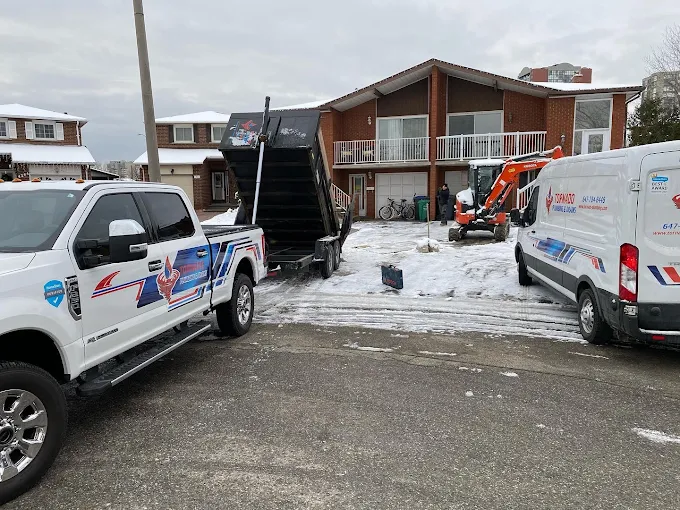
Tornado Plumbing & Drains handles emergency plumbing across Toronto and the GTA, stopping burst pipes, sewage backups, no-water failures, and active flooding fast — shutoff guidance by phone, then a durable on-site fix. Tornado Plumbing & Drains responds to active plumbing emergencies across Toronto and the GTA: shutoff guidance, isolation, leak source confirmation, burst-pipe repair, frozen-line thawing, and sewage backup containment. Use this page to figure out which emergency service fits before you call.
Last updated April 24, 2026
Where to begin in this category
On this page
How to choose the right service
Common starting problems
- Active water escaping
- Basement wastewater backup
- Hidden moisture with no clear source
- Pipe split or spraying
Likely next clicks
- Emergency Plumbing Service in Toronto & the GTA
- Sewage Backup Emergency Service in Toronto & the GTA
- Water Leak Detection & Repair in Toronto & the GTA
- Burst Pipe Repair in Toronto & the GTA
Before you book
- Shut off the main water valve if it is reachable and working.
- If the leak is near electrical fixtures or a panel, turn off the breaker for that area.
- Move valuables out of finished basements and bedrooms.
Fast category routing
If you are seeing
Active water escaping
Best starting path
Emergency Plumbing Service
First job is isolation, shutoff guidance, and damage control.
If you are seeing
Basement wastewater backup
Best starting path
Sewage Backup Emergency Service
Contamination and safe-use guidance change the first decision.
If you are seeing
Hidden moisture with no clear source
Best starting path
Water Leak Detection & Repair
Proving where the water is coming from prevents unnecessary opening.
If you are seeing
Pipe split or spraying
Best starting path
Burst Pipe Repair
The line is past diagnosis and into immediate repair territory.
If you are seeing
Frozen line or recent thaw risk
Best starting path
Frozen Pipe Thawing & Repair
Safe thawing, damage review, and preventing the next burst.
Explore Emergency Plumbing in Toronto & the GTA
Relevant Service Areas
- Toronto
Century homes, condo towers, and flood-prone basements make Toronto the broadest local plumbing market on the site.
- North York
Strong fit for post-war housing, aging laterals, and supply-side upgrades that need a system view.
- Scarborough
Useful for root intrusion, storm-related drain issues, and homes where terrain changes the drainage risk.
- Etobicoke
Old-home drain risk, redevelopment pressure, and lake-adjacent flooding make this a strong preventative market.
Related Guides
- Emergency Plumber Cost in Toronto (2026): Real Numbers, Not Ranges
What an emergency plumber actually costs in Toronto in 2026 — real $ ranges by scenario, after-hours premium, and what your insurer will pay.
- Leak Detection in Toronto: Finding Hidden Leaks Behind Walls, Under Slabs, and in Ceilings
Hidden leak detection in Toronto using acoustic listening, thermal imaging, tracer gas, and pressure testing.
- Sewage Backup in Toronto: What to Do First, Why It Happens, and How to Prevent the Next One
Active sewage backup in Toronto: keep people out, stop running water, photograph everything, call a licensed plumber.
- Burst Pipe in Toronto: What to Do Right Now, Repair Options, and Prevention
Active burst pipe in Toronto: shut off main water, kill power if water near outlets, photograph everything, contain spread, call a licensed plumber.
- Frozen Pipes in Toronto: Prevention, Safe Thawing, and Repair Options
Toronto frozen pipes: prevention (insulate, drip taps, disconnect hose bibs), safe thawing (open faucet, gentle heat, never open flame), repair when burst.
Licensed, insured, reviewed Toronto plumbers
- Serving Toronto & the GTA since 2016 — over 1,200 completed jobs.
- Master plumber T95-4969603 · Plumbing contractor T94-4992639 · Drain contractor T87-4722944 · Building renovator T85-4728632 · Plumbing license FI6216638.
- 180+ five-star Google reviews. 400+ HomeStars reviews (Best of 2019–2025). BBB-accredited.
- Same-day and after-hours dispatch across Toronto, Etobicoke, North York, Scarborough, York, Mississauga, and Burlington.
25-year workmanship warranty
Every job Tornado Plumbing & Drains completes in Toronto and the GTA — repair, install, replacement, drain work, sewer work, fixture work — is backed by a 25-year workmanship warranty. The written terms are provided with every quote. If our work fails within 25 years of the install date, we come back and make it right.
Call now if you notice:
- Water actively escaping from a pipe, fixture, or fitting that you cannot fully shut off.
- A frozen pipe that is starting to leak as it thaws.
- Sewage backing up into a basement, floor drain, or fixture.
- Visible ceiling staining or sagging drywall under a bathroom or kitchen.
- A burst supply line spraying water inside a wall, ceiling, or finished space.
- A main shutoff that will not turn off the water at the building.
What this category covers
Emergency plumbing is broader than any single leak, burst, or backup page. It covers stabilizing the situation first, isolating water, identifying the failure path, and routing the call to the right repair instead of dispatching one generic technician for every situation.
What to do before the technician arrives
Shut off the main water valve if it is reachable and working. If the leak is near electrical fixtures or a panel, turn off the breaker for that area. Move valuables out of finished basements and bedrooms. Take photos of the leak path, the visible damage, and any standing water — restoration and insurance work later will need them.
What helps after the emergency is over
Replace shutoff valves that did not work during the emergency. Add insulation or freeze protection to lines that froze. If a sewage backup happened, plan a camera inspection and decide whether a backwater valve or main-line repair belongs in the next budget cycle.
What to confirm before you approve emergency work
- The scope should match the active failure rather than turning into a general home-plumbing audit.
- The technician should explain what is being repaired now versus what should be planned later.
- Restoration access, finished surfaces, and tenant or condo logistics should be discussed before the wall opens up.
Useful info on the call: photos of the leak, the shutoff location, the rooms affected, and whether finished surfaces are at risk.
Frequently asked questions
What is the first thing I should do during a plumbing emergency?
Shut off the main water supply if you can. If sewage is backing up, stop using water, drains, washing machines, and toilets in the home. Then call so we can dispatch the right technician for the actual problem.
How is a sewage backup different from a regular leak?
Sewage involves contamination and safe-use restrictions. The first response is different — stop using water in the home and avoid contact with backed-up wastewater until the line is opened and the area is cleaned.
Do you handle condo and tenant emergencies?
Yes. Condo and tenant calls have different access rules, shared shutoffs, and shared-line responsibilities. Tell us the building type and access situation when you call so dispatch is realistic.
What if the leak is hidden behind a wall or ceiling?
Hidden leaks usually need leak detection before drywall comes off. We trace the source first so the opening is targeted instead of exploratory.
How much does emergency plumbing cost in Toronto?
Emergency plumbing pricing depends on the failure and access, so we diagnose first and quote in writing before any work starts — you approve the number, not a vague hourly meter. There is no surprise after-hours surcharge buried in the bill. Call 647-784-8448 and we will give shutoff guidance over the phone, then a clear on-site price.
Is a backed-up sewer line an emergency?
Yes — when the basement floor drain backs up, multiple fixtures gurgle, or wastewater rises after you run water, stop using water and call right away to avoid a contaminated flood. We clear the main line and camera it to find the cause; see our main sewer line cleaning service for the full process. We respond across Toronto and the GTA 24 hrs Monday to Saturday.
Related services
Emergency plumbing in Toronto & the GTA: local context
Emergency plumbing in Toronto and the GTA is shaped by older valves that seize, finished basements that raise restoration risk, condo access logistics, and winter weather that turns a minor pipe weakness into an active burst. Calls peak during freeze-thaw cycles and heavy summer storms — both are when the right first decision matters most.
Authoritative sources for this service
Public references — City of Toronto programs, federal guidelines, and standards bodies — used for the rules and figures cited on this page.
- IICRC S500 — Standard for Professional Water Damage Restoration(standard)
- Insurance Bureau of Canada — Water damage and flooding statistics(industry)
- City of Toronto — Basement Flooding Protection Subsidy Program(city)
- City of Toronto — Combined sewers and basement flooding(city)
- City of Toronto — Priority Lead Water Service Replacement Program(city)
- Ontario Building Code — Part 7: Plumbing Services(regulator)
Fast answers before you call
What is the first thing I should do during a plumbing emergency?
Shut off the main water supply if you can. If sewage is backing up, stop using water, drains, washing machines, and toilets in the home. Then call so we can...
How is a sewage backup different from a regular leak?
Sewage involves contamination and safe-use restrictions. The first response is different — stop using water in the home and avoid contact with backed-up wastewater until the line is opened and...
Do you handle condo and tenant emergencies?
Yes. Condo and tenant calls have different access rules, shared shutoffs, and shared-line responsibilities. Tell us the building type and access situation when you call so dispatch is realistic.
What if the leak is hidden behind a wall or ceiling?
Hidden leaks usually need leak detection before drywall comes off. We trace the source first so the opening is targeted instead of exploratory.
Active leak, sewage, or no water? Call before you lose another floor.
If water is escaping you can't shut off, sewage is on the floor, or you have no water at all — pick up the phone first. Tornado dispatches across Toronto and the GTA same day, after hours, weekends. Tell us what you see, your postal code, and we roll the right truck.