Sewer Line Replacement: When Repair Isn’t Enough and What to Expect

    A clear breakdown of replacement triggers, timelines, and how to compare solutions • Call 647-784-8448

    Sewer Line Replacement: When Repair Isn’t Enough and What to Expect
    Introduction

    Slow drains, recurring clogs, and sewer smells usually have a real cause—buildup, roots, a shifted pipe, or a blocked main—not just “bad luck.” The right diagnosis saves time and money. In this guide, you’ll learn Sewer line replacement isn’t always the first option. Learn when replacement is necessary, what the process looks like, and ways to minimize disruption. If you need help now, start with our **[Sewer Line Replacement](/Sewer-Line-Replacement)** page, or browse the broader **[Drain & Sewer Services](/Drain-Sewer-Services)** category for related options. We’ll also explain what a professional visit typically includes, the biggest cost drivers, and the maintenance habits that help the fix last. Tornado Plumbing & Drains helps homeowners, landlords, and businesses across Toronto & the GTA. To book service, call **647-784-8448** or email **[email protected]**.

    Quick answer

    When people book **Sewer Line Replacement** in Toronto & the GTA, it’s usually because something isn’t working the way it should. Typical situations include slow sinks and tubs, gurgling drains, floor drain backups, main sewer clogs. When a sewer is beyond repair, replacement gives you a fresh start—planned carefully to minimize disruption. Our job is to replace guesswork with a clear plan—what we found, what it means, and what the most practical fix looks like for your layout. In many cases, there’s a “fast fix” and a “fix it properly” option. We’ll explain the trade-offs in plain language (cost, disruption, and how likely the issue is to return) so you can make a confident decision. The goal isn’t just to “poke a hole” through a clog—it’s to restore full flow and reduce the chance of repeat blockages.

    Key takeaways
    • Write down what triggers the issue (laundry, dishwasher, showers, heavy rain)

    • If you’ve had prior work, gather any notes or camera footage details

    • Clear under-sink cabinets or access panels where we may need to work

    • If this is a rental, ask tenants when symptoms occur most

    • Note which fixtures are affected and whether multiple drains are slow

    • Stop using the affected drains if water is backing up

    • Avoid chemical drain cleaners (they can harm pipes and complicate service)

    • If you know where your cleanout is, clear access to it

    Common reasons people call for Sewer Line Replacement
    • Multiple fixtures are slow at the same time (a sign of a main line issue)

    • Bad odours coming from sinks, floor drains, or laundry connections

    • Water backs up when you run the dishwasher, washing machine, or shower

    • Clogs that come back every few weeks or after heavy use

    • You hear bubbling or “glug-glug” sounds when fixtures drain

    • Floor drains in the basement are taking on water during rain events

    • Tree roots or older clay piping may be affecting the sewer line

    • You want to avoid chemical drain cleaners that can damage pipes

    • You need a camera inspection to confirm what’s happening inside the line

    What’s included with Sewer Line Replacement

    A good drain service starts with understanding the system: which fixtures are affected, when the issue occurs, and whether the problem is local to one branch line or tied to the main drain. We then choose the right approach—cable/auger, targeted cleaning, hydro jetting, or a camera inspection—based on pipe material, access, and what will actually remove the buildup (not just push through it). For recurring problems, we focus on the “why”: grease buildup, hair and soap, roots, scale, offsets, or a damaged section of pipe. That’s how you avoid paying to clear the same clog over and over. When the line is restored, we verify flow and share prevention guidance. If we find structural issues, we’ll explain realistic next steps and what’s urgent vs. what can wait. For **Sewer Line Replacement**, we tailor the work to your building type, access, and the condition of your existing system. If we find related issues during diagnosis (like a failing shut-off, corrosion, or a damaged fitting), we’ll explain it clearly before anything changes—no surprises.

    Options and methods for Sewer Line Replacement

    Not all drain cleaning is the same. A small local clog in a sink trap is very different from buildup in a long branch line or a restriction in the main sewer. For many clogs, a professional auger/cable is the right first move. For heavy buildup (grease, sludge, scale), hydro jetting can provide a deeper clean by scrubbing the pipe walls. Camera inspection is the decision-maker for recurring issues. It helps confirm whether you’re dealing with buildup, roots, a belly/low spot, an offset joint, or a damaged section that needs repair. You might hear different terms for similar work—like **sewer line replacement** or **replace sewer pipe**. The right method depends on your pipe material, access, and what we find during diagnosis. We’ll explain the option that makes the most sense and why.

    Cost, timing, and what affects the estimate

    Drain and sewer pricing depends on where the blockage is, how accessible the line is, and what method is required to remove it (simple cabling vs. deeper cleaning or jetting). Recurring issues often need an inspection component. A camera can save money long term by identifying the real cause—especially when roots, pipe damage, or a sagging line is involved. Many drain cleanings can be completed in one visit. Repairs or replacements vary based on depth, location, and restoration needs. For **Sewer Line Replacement**, the most common variables are access, the condition of existing materials, and whether the problem is isolated or part of a larger system issue. We’ll talk through options and help you choose the best value approach—especially if there’s a repair vs. replacement decision to make. To book service, call **647-784-8448** or email **[email protected]**. If it’s urgent, calling is the fastest way to get help.

    Maintenance and prevention tips

    The best drain maintenance is mostly about habits. Grease, wipes, and buildup are the biggest causes of repeat clogs. If you’re not sure what’s safe, ask—we’ll keep it practical. Avoid chemical drain cleaners. They often don’t solve the problem, and they can damage pipes over time or make professional service more hazardous. For homes with mature trees or older sewers, periodic inspection and proactive cleaning can be a smart way to avoid basement backups. If you’d like, we can recommend a simple prevention plan specifically for **Sewer Line Replacement** based on what we saw on site. That might be a change in usage habits, a small hardware upgrade, or periodic checkups—whatever actually reduces the chance of repeat problems.

    Local considerations for Sewer Line Replacement in Toronto & the GTA

    Drain and sewer issues in Toronto/GTA often have a local flavour: older clay or cast piping in some neighbourhoods, mature trees that push roots toward moisture, and long drain runs that collect buildup over time. Basement floor drains are especially important because they’re the “lowest point” where backups often show first. If you’re seeing repeat clogs, the most important shift is moving from symptom‑clearing to cause‑finding. That’s where camera inspection and the right cleaning method make a big difference. A proper clean should restore full flow—not just create a small channel through a blockage. We also recommend avoiding harsh chemical cleaners. They rarely solve the underlying restriction and can create long‑term pipe damage or make professional service more difficult. If the line is already compromised, chemicals can turn a manageable service call into a bigger repair. When we’re on site, we’ll explain what’s happening in plain language and what the most reliable next step is—cleaning, jetting, inspection, or a repair plan if the pipe is damaged.

    Questions to ask before you hire a plumber

    A few questions help you choose the right contractor (and avoid surprises): • What did you find, and what evidence supports that diagnosis? • What are the realistic options, and what are the trade‑offs (cost vs. longevity vs. disruption)? • What would you do if this were your own home or building? • What maintenance or usage changes would prevent the issue from returning? • What should I watch for after the work is complete? • If the same problem comes back, what’s the next escalation step? Clear answers should feel calm and specific—not vague. You should understand what will happen, why it matters, and what a good outcome looks like. If you want to talk through your situation first, call **647-784-8448** or email **[email protected]**.

    Sewer Line Repair in Toronto & the GTA: what this service covers

    When people book **Sewer Line Repair** in Toronto & the GTA, it’s usually because something isn’t working the way it should. Typical situations include slow sinks and tubs, gurgling drains, floor drain backups, main sewer clogs. Targeted sewer repairs for cracks, offsets, roots, and collapsed sections—focused on restoring function and preventing repeats. Our job is to replace guesswork with a clear plan—what we found, what it means, and what the most practical fix looks like for your layout. In many cases, there’s a “fast fix” and a “fix it properly” option. We’ll explain the trade-offs in plain language (cost, disruption, and how likely the issue is to return) so you can make a confident decision. The goal isn’t just to “poke a hole” through a clog—it’s to restore full flow and reduce the chance of repeat blockages.

    Common reasons people call for Sewer Line Repair
    • Clogs that come back every few weeks or after heavy use

    • You hear bubbling or “glug-glug” sounds when fixtures drain

    • Floor drains in the basement are taking on water during rain events

    • Tree roots or older clay piping may be affecting the sewer line

    • You want to avoid chemical drain cleaners that can damage pipes

    • You need a camera inspection to confirm what’s happening inside the line

    • One drain is slow, gurgling, or draining inconsistently

    • Multiple fixtures are slow at the same time (a sign of a main line issue)

    • Bad odours coming from sinks, floor drains, or laundry connections

    What’s included with Sewer Line Repair

    A good drain service starts with understanding the system: which fixtures are affected, when the issue occurs, and whether the problem is local to one branch line or tied to the main drain. We then choose the right approach—cable/auger, targeted cleaning, hydro jetting, or a camera inspection—based on pipe material, access, and what will actually remove the buildup (not just push through it). For recurring problems, we focus on the “why”: grease buildup, hair and soap, roots, scale, offsets, or a damaged section of pipe. That’s how you avoid paying to clear the same clog over and over. When the line is restored, we verify flow and share prevention guidance. If we find structural issues, we’ll explain realistic next steps and what’s urgent vs. what can wait. For **Sewer Line Repair**, we tailor the work to your building type, access, and the condition of your existing system. If we find related issues during diagnosis (like a failing shut-off, corrosion, or a damaged fitting), we’ll explain it clearly before anything changes—no surprises.

    Trenchless Sewer Line Repair in Toronto & the GTA: what this service covers

    When people book **Trenchless Sewer Line Repair** in Toronto & the GTA, it’s usually because something isn’t working the way it should. Typical situations include slow sinks and tubs, gurgling drains, floor drain backups, main sewer clogs. Modern trenchless options that reduce digging when conditions allow—repairing or renewing the line with less disruption. Our job is to replace guesswork with a clear plan—what we found, what it means, and what the most practical fix looks like for your layout. In many cases, there’s a “fast fix” and a “fix it properly” option. We’ll explain the trade-offs in plain language (cost, disruption, and how likely the issue is to return) so you can make a confident decision. The goal isn’t just to “poke a hole” through a clog—it’s to restore full flow and reduce the chance of repeat blockages.

    Common reasons people call for Trenchless Sewer Line Repair
    • You hear bubbling or “glug-glug” sounds when fixtures drain

    • Floor drains in the basement are taking on water during rain events

    • Tree roots or older clay piping may be affecting the sewer line

    • You want to avoid chemical drain cleaners that can damage pipes

    • You need a camera inspection to confirm what’s happening inside the line

    • One drain is slow, gurgling, or draining inconsistently

    • Multiple fixtures are slow at the same time (a sign of a main line issue)

    • Bad odours coming from sinks, floor drains, or laundry connections

    • Water backs up when you run the dishwasher, washing machine, or shower

    What’s included with Trenchless Sewer Line Repair

    A good drain service starts with understanding the system: which fixtures are affected, when the issue occurs, and whether the problem is local to one branch line or tied to the main drain. We then choose the right approach—cable/auger, targeted cleaning, hydro jetting, or a camera inspection—based on pipe material, access, and what will actually remove the buildup (not just push through it). For recurring problems, we focus on the “why”: grease buildup, hair and soap, roots, scale, offsets, or a damaged section of pipe. That’s how you avoid paying to clear the same clog over and over. When the line is restored, we verify flow and share prevention guidance. If we find structural issues, we’ll explain realistic next steps and what’s urgent vs. what can wait. For **Trenchless Sewer Line Repair**, we tailor the work to your building type, access, and the condition of your existing system. If we find related issues during diagnosis (like a failing shut-off, corrosion, or a damaged fitting), we’ll explain it clearly before anything changes—no surprises.

    Drain Camera Inspection in Toronto & the GTA: what this service covers

    When people book **Drain Camera Inspection** in Toronto & the GTA, it’s usually because something isn’t working the way it should. Typical situations include slow sinks and tubs, gurgling drains, floor drain backups, main sewer clogs. See what’s happening inside your drain or sewer line with a camera inspection—great for recurring clogs and mystery backups. Our job is to replace guesswork with a clear plan—what we found, what it means, and what the most practical fix looks like for your layout. In many cases, there’s a “fast fix” and a “fix it properly” option. We’ll explain the trade-offs in plain language (cost, disruption, and how likely the issue is to return) so you can make a confident decision. The goal isn’t just to “poke a hole” through a clog—it’s to restore full flow and reduce the chance of repeat blockages.

    Common reasons people call for Drain Camera Inspection
    • Floor drains in the basement are taking on water during rain events

    • Tree roots or older clay piping may be affecting the sewer line

    • You want to avoid chemical drain cleaners that can damage pipes

    • You need a camera inspection to confirm what’s happening inside the line

    • One drain is slow, gurgling, or draining inconsistently

    • Multiple fixtures are slow at the same time (a sign of a main line issue)

    • Bad odours coming from sinks, floor drains, or laundry connections

    • Water backs up when you run the dishwasher, washing machine, or shower

    • Clogs that come back every few weeks or after heavy use

    What’s included with Drain Camera Inspection

    A good drain service starts with understanding the system: which fixtures are affected, when the issue occurs, and whether the problem is local to one branch line or tied to the main drain. We then choose the right approach—cable/auger, targeted cleaning, hydro jetting, or a camera inspection—based on pipe material, access, and what will actually remove the buildup (not just push through it). For recurring problems, we focus on the “why”: grease buildup, hair and soap, roots, scale, offsets, or a damaged section of pipe. That’s how you avoid paying to clear the same clog over and over. When the line is restored, we verify flow and share prevention guidance. If we find structural issues, we’ll explain realistic next steps and what’s urgent vs. what can wait. For **Drain Camera Inspection**, we tailor the work to your building type, access, and the condition of your existing system. If we find related issues during diagnosis (like a failing shut-off, corrosion, or a damaged fitting), we’ll explain it clearly before anything changes—no surprises.

    Sewer Line Replacement: When Repair Isn’t Enough and What to Expect FAQ

    When is sewer line replacement the right call?

    Replacement is usually recommended when a line is structurally compromised—collapsed sections, severe offsets, repeated root intrusion caused by breaks, or widespread deterioration in older materials like clay. It’s also common when repeated repairs become more expensive than a planned replacement. We confirm the need with inspection so you’re not replacing a line that could have been repaired safely.

    How disruptive is sewer line replacement?

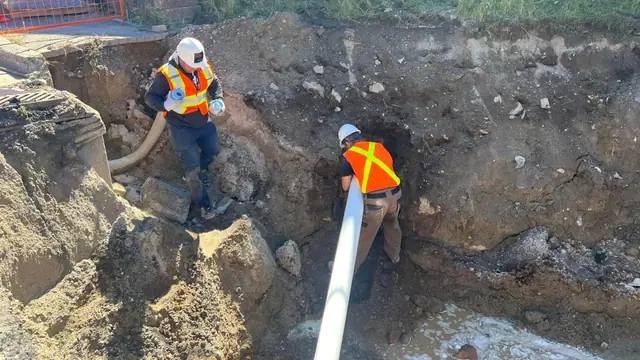
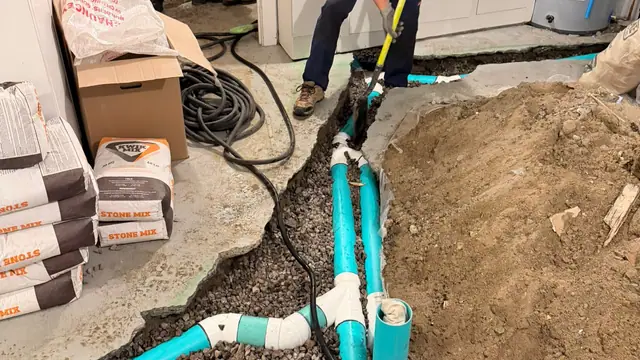
    Disruption depends on depth, route, and whether trenchless options are possible. Some projects require excavation; others can be less invasive. We’ll explain what’s realistic for your property and what restoration would look like. The goal is to plan the job so surprises are minimized and the finished result is reliable.

    Can trenchless methods replace digging?

    Sometimes. Trenchless approaches can reduce digging, but they depend on pipe condition, alignment, and access. If the line has collapsed sections or major misalignment, traditional replacement may be necessary. A camera inspection is usually the first step to confirm eligibility and choose the best method.

    Do you serve Toronto & the GTA?

    Yes—Tornado Plumbing & Drains serves homes and businesses across **Toronto & the GTA (including Etobicoke, North York, Scarborough, York, Mississauga, Brampton, Vaughan, Markham, Richmond Hill, Oakville, and Burlington)**. If you’re not sure whether your address is in our coverage area, send your postal code to **[email protected]** or call **647-784-8448** and we’ll confirm quickly. We’re used to working in a mix of building types (older Toronto homes, newer builds, condos, and small commercial spaces), so we’ll also ask a couple of quick questions to understand access and the best next step.

    Can you quote this over the phone?

    We can sometimes give a rough range, but an accurate quote usually requires seeing the setup—especially for **Sewer Line Replacement**. Access, condition of existing materials, and what we discover during diagnosis are the biggest variables. If the issue is recurring, inspection is often the smartest first move—otherwise you can end up paying for repeated cleanings. Once we’ve assessed the situation, we’ll explain the scope and options clearly so you can choose the best-value solution.

    What affects the cost of Sewer Line Replacement?

    Cost is mostly driven by whether it’s a local branch drain or the main line, access to cleanouts, and the method needed (cabling, jetting, inspection). The same symptom can have different causes, so the best value often comes from confirming the root issue first. After we assess your setup, we’ll outline options (including any “minimum viable repair” vs. “long-term fix” paths) and explain the trade-offs in plain language—cost, disruption, and how likely the issue is to return.

    How long does Sewer Line Replacement usually take?

    Many drain cleanings are completed in one visit. Camera work and repairs vary depending on what we find and how accessible the line is. We’ll confirm expectations after a quick assessment and let you know what to plan for—water shut-offs, which areas we need to access, and whether any follow-up visit is likely. If you have scheduling constraints, tell us up front and we’ll plan the most efficient sequence.

    Will this be messy or disruptive?

    Most drain work is low-disruption, but we protect surfaces and manage cleanup carefully—especially if a backup has occurred. If a camera inspection is needed, we’ll walk you through what we see and what it means. We’ll also explain what we’re doing as we go, so you’re not left guessing why a certain access point or tool is needed. Our goal is to leave you with a working system—and a space that still feels like your home or business.

    Do you offer preventative maintenance or upgrades?

    Yes. Preventative cleaning and better habits (especially around grease and wipes) can reduce repeat clogs dramatically. For older lines, periodic inspection can also help. If you want a low-effort plan, we can recommend what’s worth doing yearly vs. what can be checked occasionally—based on what we see on site. The goal is to reduce emergencies, extend equipment life, and make future service faster and less disruptive.

    How do I book Sewer Line Replacement?

    You can book online, call **647-784-8448**, or email **[email protected]**. If you’re dealing with an urgent situation (active leak, sewage backup, no water), calling is usually the fastest option. If you email, include your address, a brief description of the issue, and any photos/videos—this helps us prepare and reduce back-and-forth.

    What problems does Sewer Line Repair solve?

    Sewer Line Repair is typically used when you’re dealing with the symptoms listed above. The goal is to restore proper function, confirm the root cause, and reduce the chance of recurrence. If you’re not sure this is the right service, describe what you’re seeing and we’ll guide you to the correct next step.

    Is Sewer Line Repair the right service for my issue?

    If you’re unsure, that’s normal. Many plumbing problems look similar on the surface. A quick assessment prevents misdiagnosis and saves money. Call **647-784-8448** or email **[email protected]** with a brief description (and photos if possible) and we’ll help you confirm the right service.

    What should I do while I wait for an appointment?

    Avoid actions that could worsen damage—forcing a drain, using harsh chemicals, or leaving a leak running. If it’s urgent, call so we can advise immediate next steps. If you can safely shut off water to the affected fixture or main line, that often prevents additional damage while you wait.

    What is trenchless sewer repair?

    Trenchless methods repair or renew a sewer line with less excavation than traditional digging. Depending on the technique, it may involve lining the existing pipe or pulling a new pipe through the old route. The best option depends on the existing pipe’s condition and alignment, so inspection is usually the first step.

    Am I a good candidate for trenchless repair?

    Eligibility depends on the existing pipe’s condition, whether there are collapsed sections, and whether there’s enough access for equipment. Severe offsets, major bellies, or extensive collapse can limit trenchless options. We’ll confirm candidacy with a camera inspection and explain what’s realistic before any work begins.

    How does trenchless compare to traditional replacement?

    When it’s possible, trenchless can reduce landscape disruption and restoration time. Traditional replacement may be necessary for severely damaged or misaligned lines. We’ll explain the pros/cons based on what we see, including cost, durability, and expected longevity. The goal is a reliable sewer line—not just a “less digging” promise.

    What can a drain camera inspection show?

    A camera can reveal the real cause of recurring drainage problems: buildup, roots, cracks, offsets, low spots (bellies), and other restrictions. Instead of guessing, you can make decisions based on what’s actually in the line. Camera inspection is especially useful when multiple fixtures are affected, when backups happen at the lowest drain, or when a problem keeps returning after prior cleanings.

    Do I get a recording or photos?

    If you need documentation—for a landlord, insurance, or renovation planning—tell us ahead of time. We can provide a clear summary of what we saw and the recommended next steps. In many cases we can also capture key images or clips to support decision‑making. The goal is to make it easy for you to understand the issue and move forward confidently.