How to Prevent Basement Flooding During Heavy Rain in Toronto

    Complete Guide To Prevent Basement Flooding During Heavy Rain

    How to Prevent Basement Flooding During Heavy Rain in Toronto
    Introduction

    Basement flooding is one of the most stressful and costly problems that homeowners in Toronto can face. During periods of heavy rain, large volumes of water can quickly accumulate around a home's foundation. If proper drainage and protection systems are not in place, water can easily find its way into the basement. In many cases, basement flooding is not caused by a single issue. Instead, it is usually the result of several small problems that gradually allow water to enter the home. Fortunately, with the right preventative measures, basement flooding can often be avoided. This guide will explain why basement flooding happens during heavy rain and what steps can be taken to prevent it.

    Why Basement Flooding Happens During Heavy Rain

    When heavy rainfall occurs, the ground around a home becomes saturated with water. As the soil absorbs more water than it can hold, pressure begins to build against the foundation walls. This pressure is commonly known as hydrostatic pressure. Once this pressure increases, water will attempt to move toward areas with less resistance. Small cracks in foundation walls, poorly sealed joints, or weak drainage systems can allow water to seep inside. Several factors are often involved when basement flooding occurs: Poor exterior drainage Clogged or damaged weeping tiles Sewer system backups Failed sump pumps Improper grading around the house Blocked gutters and downspouts If these issues are not addressed, the risk of flooding during heavy rain can increase significantly.

    Ensure Proper Exterior Drainage Around Your Home

    One of the most important ways basement flooding can be prevented is by managing how water flows around the exterior of the home. The ground surrounding the foundation should always slope away from the house. If water is allowed to collect near the foundation walls, the risk of seepage increases dramatically. Ideally, the soil should slope away from the home at least six inches within the first ten feet. This simple adjustment ensures that rainwater is directed away rather than toward the structure. In some cases, landscaping changes may be required. Soil may need to be added or adjusted so that proper grading can be achieved. When the grading is done correctly, water will naturally move away from the foundation instead of pooling around it.

    Keep Gutters and Downspouts Clean

    A surprising number of basement flooding incidents are caused by clogged gutters and downspouts. When gutters become filled with leaves, debris, or dirt, rainwater cannot flow properly through the drainage system. Instead, water may overflow from the roof and collect near the foundation. This problem becomes even worse during heavy rainstorms when large volumes of water must be carried away quickly. To prevent this issue, gutters should be cleaned regularly, especially during the fall and spring seasons. Downspouts should also be extended so that water is discharged at least six to ten feet away from the home. If downspouts release water too close to the foundation, the drainage system will not perform effectively. By maintaining gutters and downspouts, large amounts of rainwater can be safely redirected away from the house.

    Install and Maintain a Sump Pump

    A sump pump is one of the most effective tools that can be used to prevent basement flooding. This device is typically installed in a sump pit located in the basement floor. When water begins to accumulate in the pit, the sump pump automatically activates and pumps the water away from the house. In many Toronto homes, sump pumps are considered essential flood prevention systems. However, simply installing a sump pump is not enough. Regular maintenance should also be performed to ensure that the pump continues working properly. Homeowners are advised to test their sump pump several times each year. This can be done by pouring water into the sump pit and verifying that the pump activates. It is also recommended that a battery backup system be installed. During severe storms, power outages are common. Without backup power, a sump pump may fail when it is needed most.

    Install a Backwater Valve

    Heavy rainfall can sometimes overwhelm municipal sewer systems. When this happens, wastewater may begin flowing backward into residential plumbing systems. This problem is known as sewer backup, and it can quickly lead to basement flooding. A backwater valve is designed to prevent this issue. The valve allows wastewater to flow out of the home while preventing it from flowing back in. When sewer pressure builds up, the valve automatically closes, blocking reverse flow. Many homes in Toronto are now required to install backwater valves as part of local flood prevention programs. Although installation requires professional plumbing work, this device can provide significant protection against sewer-related flooding.

    Repair Foundation Cracks

    Even small cracks in basement walls or floors can allow water to enter during heavy rainfall. Over time, foundations naturally shift and settle. As a result, minor cracks may begin to develop. While these cracks may appear harmless, they can become entry points for water infiltration. Foundation cracks should always be inspected and repaired as soon as they are discovered. Common repair methods include: Epoxy injections Polyurethane crack sealing Exterior waterproofing membranes By sealing cracks early, the chances of water penetration can be greatly reduced.

    Maintain Your Weeping Tile System

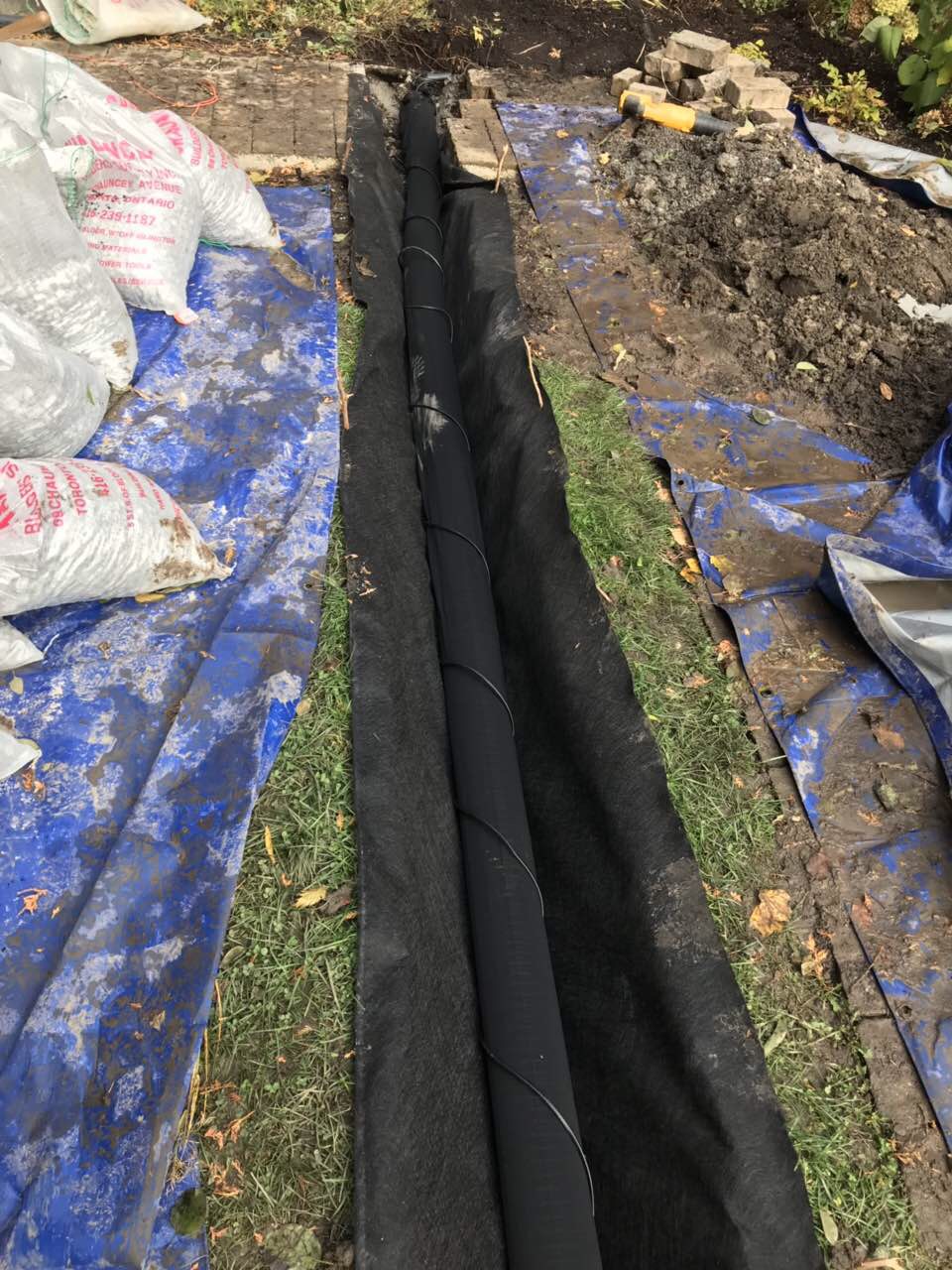
    Many homes rely on a weeping tile system to control groundwater around the foundation. This system consists of perforated pipes that are installed around the perimeter of the foundation. These pipes collect groundwater and redirect it away from the house. However, weeping tiles can become clogged over time due to soil, roots, or debris buildup. When this happens, water can begin accumulating around the foundation instead of being properly drained. Periodic inspection and cleaning may be required to keep the system functioning effectively. In some cases, older homes may still have outdated clay weeping tiles that should be replaced with modern plastic drainage systems.

    Install Window Well Covers

    Basement windows are another common entry point for rainwater. During heavy storms, window wells can quickly fill with water. If drainage inside the well becomes blocked, water may seep through the window frames and enter the basement. Installing window well covers can significantly reduce this risk. These covers prevent rainwater, debris, and snow from collecting in the wells while still allowing natural light to enter the basement. In addition, window wells should be inspected regularly to ensure that their drainage systems remain clear.

    Consider Professional Waterproofing Solutions

    For homes that experience recurring flooding problems, professional waterproofing solutions may be required. Two main waterproofing approaches are commonly used:

    Interior Waterproofing

    Interior systems focus on managing water after it enters the foundation area. These systems typically include interior drainage channels and sump pump systems. While water may still reach the foundation walls, it is quickly redirected and removed before it can cause damage.

    Exterior Waterproofing

    Exterior waterproofing provides a more comprehensive solution. The soil surrounding the foundation is excavated so that waterproof membranes and drainage boards can be installed. This method prevents water from reaching the foundation walls in the first place. Although exterior waterproofing can be more expensive, it often provides long-term protection against basement flooding.

    Regular Plumbing and Drain Inspections

    Preventative inspections can play a major role in avoiding basement flooding. Professional plumbers can inspect drainage systems, sewer lines, and sump pumps to ensure everything is functioning properly. Drain camera inspections may also be used to detect hidden issues such as: Tree root intrusion Pipe blockages Collapsed sewer lines By identifying problems early, costly flooding incidents can often be prevented.

    What to Do If Basement Flooding Occurs

    Even with preventative measures in place, extreme weather events can sometimes lead to unexpected flooding. If water begins entering the basement, several immediate steps should be taken: Electrical systems near the water should be turned off if it is safe to do so. The source of the water should be identified. Standing water should be removed as quickly as possible using pumps or wet vacuums. A professional plumber or restoration specialist should be contacted. Quick action can help reduce property damage and minimize mold growth.

    Final Thoughts

    Heavy rainstorms are becoming increasingly common in many parts of Toronto, making basement flood prevention more important than ever. Fortunately, several effective strategies can be used to protect your home. Proper drainage, regular maintenance, and reliable plumbing systems all play a vital role in keeping basements dry. By taking proactive steps such as maintaining gutters, installing sump pumps, repairing foundation cracks, and upgrading drainage systems, the risk of basement flooding can be greatly reduced. If homeowners remain vigilant and address potential issues early, their basements can remain safe and dry even during the heaviest rainstorms.